
In today's digital marketplace, the way we present products online is crucial. Effective product page optimization tips are no longer just about compelling visuals and concise descriptions; they're about weaving a narrative that resonates with customers, driving engagement, and boosting conversions. However, crafting compelling copy that tells a persuasive story while optimizing for search engines and mobile users can feel like navigating a maze. This article examines the power of storytelling as a strategic tool for enhancing product page performance. We'll explore specific techniques rooted in conversion rate optimization, SEO strategies, and user experience design, all aimed at helping you create pages that not only sell but also captivate.
- Understanding the Emotional Impact of Storytelling
- Crafting Compelling Customer Journeys
- Engaging Senses: Sensory Details Matter
- The Art of Problem-Solution Storytelling
- Building Trust Through Authentic Narratives
- Optimizing Product Descriptions: Key Phrases
- Data-Driven Storytelling for Better Conversions
- Case Studies: Successful Product Page Narratives
- Measuring and Refining Your Storytelling Strategy
Understanding the Emotional Impact of Storytelling

The emotional impact of storytelling is a critical yet often overlooked aspect of product page optimization tips. When consumers engage with a brand's narrative, they're not just reading words on a screen; they're experiencing a connection. This connection can significantly influence their purchasing decisions, making the effective use of storytelling a powerful niche product page SEO strategy. A well-crafted story can humanize a brand, evoke emotions, and build trust, all of which are essential for boosting product page conversions.
Consider the example of a small, artisanal candle maker. By sharing the story behind their craft-the careful selection of essential oils, the hand-poured process, and the personal connection to scent memory-they don't just sell candles; they offer an experience. This emotional connection transcends the product itself, encouraging customers to not only buy but to share their own stories involving the candles. This is particularly crucial in today's mobile-first marketplace, where the majority of users access websites through smartphones. Mobile-first product page strategies must account for this shift, ensuring narratives are concise, visually appealing, and easily consumable on smaller screens.
The emotional resonance of storytelling doesn't stop at initial engagement. It drives user engagement and keeps the brand top-of-mind. A study by Microsoft found that individuals who were exposed to stories with emotional elements were more likely to recall the information days later. Applying this to product pages, emotionally resonant copy can not only drive conversions but also foster customer loyalty. Advanced conversion rate optimization involves understanding these emotional touchpoints and using them to guide design trends and innovative product page layouts, further enhancing user experience and engagement.
Incorporating storytelling into product page optimization tips requires a strategic approach. Tailor narratives to specific buyer personas, ensuring the emotional content resonates with the target audience. Utilize visuals and video content to enhance the storytelling experience, making it more immersive and memorable. By doing so, you can transform a simple product listing into a compelling journey that guides users towards a desired action, whether that's a purchase or a deeper engagement with your brand.
Crafting Compelling Customer Journeys

Crafting compelling customer journeys through product page copy is a key component of successful e-commerce. By telling a story that resonates with your target audience, you can guide users through the buying process, from initial interest to final purchase. This strategy is especially crucial in competitive markets where same-day product page improvements can significantly boost conversions. Top-rated product page designers understand the art of narrativizing a product's value proposition, making it relatable and compelling.
Consider the customer experience as a journey with distinct stages. Begin by capturing attention with a compelling headline or introductory paragraph that speaks directly to the user's pain point or desire. Instead of simply listing features, paint a picture of the life the product could enhance. Use vivid imagery and relatable language to transport the reader. Then, weave in social proof through customer reviews or testimonials to alleviate skepticism and build trust. This is where product page reviews near me can be particularly effective, as they offer immediate, local validation.
As the journey progresses, employ strategic calls-to-action (CTAs) to nudge users towards the desired outcome. Ensure these CTAs are visually distinct and aligned with the user's stage in the journey. A "Buy Now" button stands out against a background of product details, encouraging immediate action. Leverage data-driven insights to personalize the content, addressing specific buyer personas and their unique motivations. This level of customization can significantly enhance user engagement and, ultimately, conversion rates.
Engaging Senses: Sensory Details Matter

Engaging senses through sensory details is a powerful technique to elevate product page optimization tips, making your content not just informative but truly immersive. Consider this: a potential customer browsing your online store isn't just reading words on a screen; they're mentally placing themselves in a scene you've created. The goal is to evoke a response, whether it's a sense of touch, smell, or even a taste memory, all of which deepen their connection to your product.
If you're selling luxury soaps, don't just state the ingredients. Describe the scent-is it citrusy and invigorating, or floral and soothing? Let them picture the lather on their skin, the way it feels, and the experience it offers. This level of detail isn't just about marketing; it's about creating an emotional connection. When senses are engaged, the customer is more likely to envision themselves using the product, fostering a sense of desire and ownership.
In the realm of niche product page SEO strategies, incorporating sensory language can significantly enhance your ranking potential. Search engines, like Google, are increasingly attuned to user experience, and the richness of your content plays a part in this. Professional product video creation, for example, allows you to showcase your product in action, capturing the visual and tactile experience. Licensed product photography services can further enhance this by delivering high-quality images that not only capture the look and feel but also tell a story about the product's benefits.
Remember, the key is to paint a vivid picture without overwhelming the reader. Balance is crucial; each detail should add depth and meaning to the overall narrative. By weaving sensory details into your product page copy, you're not just optimizing for search engines; you're crafting an experience that resonates with your audience, turning browsers into buyers.
The Art of Problem-Solution Storytelling

The art of problem-solution storytelling is a powerful tool in the arsenal of any product page optimist. It's not just about listing features; it's about painting a picture of a customer's problem, highlighting how your product solves it, and demonstrating the tangible benefits. This approach creates an emotional connection, fostering trust and encouraging conversions. Consider a potential customer searching for a product that alleviates back pain. Instead of merely listing the product's support features, tell a story of someone who struggled with daily tasks due to chronic back pain, and how your product's innovative design and ergonomic features returned them to an active lifestyle.
This storytelling technique is a key component of effective product page optimization tips. It's especially crucial in e-commerce, where buyers are often overwhelmed with choices. By framing your product as the solution to a common problem, you stand out from competitors. A product page review near me might mention a customer who, after trying several back support products without success, found relief with your product's unique, science-backed design. This not only addresses customer skepticism but also builds social proof, a vital aspect of affordable product page optimization.
Top-rated product page designers leverage problem-solution storytelling to create compelling narratives that resonate with diverse audiences. They understand that a well-crafted story can enhance user engagement, keeping visitors on the page longer and increasing the likelihood of a conversion. A designer might structure the copy to follow a three-act structure: introduce the problem, present your product as the hero, and then describe the positive outcomes achieved by real users. This approach, combined with strategic use of data-driven insights, allows for highly personalized product page innovation. As design trends evolve, staying attuned to user needs and preferences through storytelling ensures your product pages remain relevant and effective.
Building Trust Through Authentic Narratives

Building trust on product pages is paramount and storytelling is a powerful tool to achieve this. Authentic narratives have the unique ability to connect with customers on an emotional level, fostering trust and encouraging conversions. When crafting product page copy, top-rated product page designers understand the importance of weaving a compelling story that resonates with the target audience. This strategy goes beyond mere product description; it involves creating an experience that reflects the brand's values and builds customer confidence.
One effective approach is to incorporate customer testimonials and reviews into the product page narrative. Showcasing real customers' positive experiences not only adds credibility but also humanizes the brand. According to recent user engagement studies, authentic social proof significantly increases conversion rates, especially when combined with compelling visuals. Licensed product photography services can play a crucial role here, ensuring high-quality images that enhance the storytelling process. By presenting products in real-life settings or through lifestyle photography, brands can create a more immersive experience for online shoppers.
Similarly, leveraging case studies and customer success stories can be a major improvement for same-day product page improvement. Presenting real-life examples of how a product has positively impacted others can address potential skepticism and build trust. A software company might highlight a case study featuring a small business owner who increased their productivity through their product. This not only showcases the product's benefits but also provides a relatable, authentic context that resonates with prospective customers. By weaving these narratives throughout the product page, you can guide users towards the call-to-action (CTA), increasing the likelihood of a successful conversion.
Remember, storytelling is an art that requires careful consideration of your target audience's preferences and pain points. By combining compelling copy, high-quality visuals, and genuine social proof, you can create an engaging product page that builds trust and drives conversions. These strategies, when implemented effectively, can set your product pages apart in a competitive online marketplace.
Optimizing Product Descriptions: Key Phrases

Optimizing product descriptions is a crucial aspect of product page optimization tips, and crafting compelling key phrases can significantly impact conversion rates. Top-rated product page designers understand the power of storytelling, using language that not only describes a product but also evokes an emotional response from the reader. Instead of simply stating "Buy a new phone," a designer might write, "Unleash the power of connectivity with our advanced smartphone." This approach transforms a transactional interaction into a narrative that resonates with potential buyers.
When crafting key phrases, consider the unique selling points of your product and how they can be woven into compelling stories. Niche product page SEO strategies often involve tailoring these descriptions to specific target audiences. For a high-end skincare line, phrases like "Transform your skin with our luxurious, all-natural formula" not only highlights the product's features but also appeals to customers seeking premium, effective solutions. An emergency product page redesign, while urgent, should still incorporate these storytelling elements to maintain brand voice and engagement, ensuring that the product's value proposition remains clear and compelling.
Data-driven insights can guide the selection of the most effective key phrases. Analyze user engagement metrics to understand which descriptions lead to higher click-through rates and lower bounce times. Personalization also plays a role; leveraging buyer personas to tailor language can significantly improve conversion rates. A tech-savvy millennial might respond better to phrases emphasizing innovation and advanced features, while a more traditional customer might prefer descriptions focusing on reliability and longevity. By balancing data analysis and creative storytelling, product page designers can craft key phrases that not only optimize search rankings but also captivate and convert potential buyers.
Data-Driven Storytelling for Better Conversions

Data-driven storytelling is a powerful tool for enhancing product page optimization and driving conversions. By integrating customer data and insights into your product copy, you can create a more personalized and compelling narrative that resonates with your target audience. This strategy is especially cost-effective and affordable for niche product pages, where tailored SEO strategies can make a significant difference.
Consider a local e-commerce site selling artisanal soaps. By analyzing customer behavior and demographics, they can craft a story around the benefits of their products for different customer segments. For health-conscious buyers, they might emphasize the natural and organic ingredients, while for gift givers, they could highlight the unique packaging and personalized notes. This data-driven approach not only improves user engagement but also increases the likelihood of conversions.
In implementing this tactic, start by segmenting your audience and identifying key buyer personas. Then, leverage these personas to create specific narratives for each product page. Use data to back up your claims, such as customer reviews and testimonials, to build customer trust and combat skepticism. By telling a story that speaks directly to your audience's needs and preferences, you can make your product pages more memorable and persuasive, ultimately leading to better conversion rates.
Stay ahead of design trends and voice search innovations to ensure your storytelling remains relevant and accessible. As user experience continues to be a key factor in Google rankings, optimizing for both visual appeal and voice interactions can elevate your product pages. By combining these strategies, you can create an immersive and effective product page optimization experience that drives sales and boosts your online visibility.
Case Studies: Successful Product Page Narratives
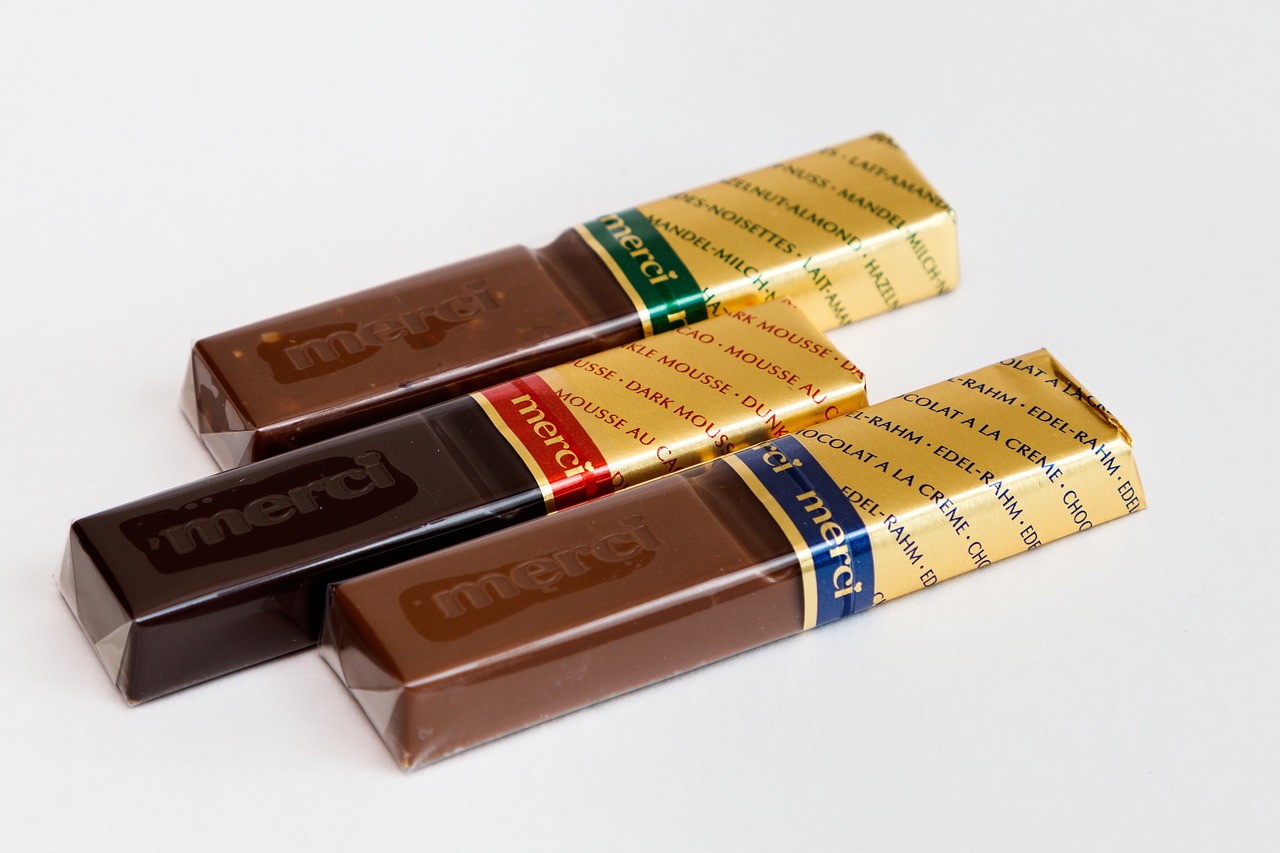
Successful product page narratives are a powerful tool in the e-commerce arsenal, and the case studies prove it. Let's explore how top-performing brands are using storytelling to engage, convert, and drive sales.
One notable example is Nike's product pages, which go beyond simply listing features. They weave a story around each product, highlighting its role in various athletes' journeys. Their running shoe pages feature customer testimonials and videos of elite runners discussing the shoe's performance. This approach creates an emotional connection with potential buyers, turning a simple purchase into a shared athletic experience. The result?
In another successful case, Amazon leverages data-driven product page personalization. By analyzing user behavior, they tailor product displays to individual preferences. A user searching for a new smartphone might see a personalized page featuring the top-rated models they've shown interest in, complete with detailed reviews and comparisons. This strategy not only enhances the user experience but also increases the likelihood of a sale. Amazon's mobile-first approach further ensures these personalized pages look stunning and function flawlessly on smartphones, reflecting the growing trend of mobile e-commerce.
Looking to the future, virtual reality (VR) product experiences are transforming how consumers interact with online stores. This innovative strategy builds confidence in purchases and reduces returns, a common pain point in e-commerce. By providing an immersive experience, IKEA enhances customer trust and showcases its products' practical applications.
These case studies illustrate the transformative power of storytelling and data-driven personalization in product page optimization. Incorporating these strategies into your e-commerce site can lead to increased engagement, conversion rates, and customer satisfaction, ultimately setting your brand apart in a crowded digital landscape.
Measuring and Refining Your Storytelling Strategy

Measuring and refining your storytelling strategy is crucial for maximizing the impact of your product page copy. Start by setting clear goals and KPIs specific to your brand and target audience. If your primary objective is to increase same-day product page conversions, track metrics like click-through rates (CTRs), time on page, and purchase rates. Affordable product page optimization doesn't have to be complex; focus on crafting compelling narratives that resonate with your customers.
Leverage A/B testing to experiment with different storytelling techniques and headlines. This data-driven approach allows you to refine your copy and design, ensuring that each element contributes to a seamless user experience. Consider the layout and visual elements as part of your strategy. For local product page SEO tips, integrate relevant keywords naturally within your stories, in titles, and in product descriptions. Remember, the goal is to create a cohesive narrative that aligns with your brand voice while optimizing for search engines.
Regularly analyze user feedback and engagement metrics. If you notice skepticism or a lack of customer trust, address these concerns through more authentic storytelling. Incorporate social proof by showcasing real customer reviews and testimonials. As trends evolve, stay informed about design and user experience advancements, ensuring your product pages remain innovative and engaging. By combining these product page optimization tips, you can craft stories that not only captivate your audience but also drive conversions and improve your Google ranking.
By weaving storytelling into product page copy, businesses can significantly enhance user engagement and conversion rates. The article has explored a range of powerful strategies, from understanding the emotional impact of narratives to leveraging data-driven insights. Key takeaways include the importance of sensory details to create compelling customer journeys, building trust through authentic storytelling, and optimizing descriptions with strategic key phrases. Successful case studies have demonstrated the tangible results achievable through effective product page narratives. Moving forward, brands should prioritize refining their storytelling strategy, utilizing A/B testing, and tailoring content to specific buyer personas. By implementing these product page optimization tips, businesses can elevate their e-commerce presence, foster customer trust, and ultimately drive sales.
Craft compelling customer journeys through emotional storytelling, optimizing product descriptions with vivid language, and leveraging data-driven insights for key phrases. Integrate customer data into narratives, creating personalized stories for niche markets. Measure and refine your strategy with A/B testing, user feedback, and engagement metrics. Regularly update stories to align with brand voice and design trends, driving conversions and improving Google rankings.