
Effective product page optimization tips are non-negotiable for any e-commerce business aiming to thrive. With millions of products vying for online consumers' attention, crafting compelling product pages that rank highly on Google and deliver conversions is a critical challenge. The problem? Many retailers struggle to balance engaging content, robust SEO, and seamless user experience, resulting in underperforming product pages that fail to convert visitors into buyers. This article provides a practical guide to overcoming these obstacles, offering evidence-based strategies and best practices to elevate your product pages and drive tangible results, from boosting search rankings to increasing sales.
- Understanding Product Page SEO: Google's Perspective
- Keyword Research: Tailoring to Product-Specific Searches
- On-Page Optimization: Crafting High-Performing Product Descriptions
- Leveraging Structured Data for Enhanced Visibility
- Image Optimization: A Visual Boost for Product Pages
- User Experience: Designing for Engagement and Conversions
- Technical SEO: Ensuring Crawlability and Indexing
- Building Quality Backlinks: Authority Through External Connections
- Monitoring and Adjusting: Analyzing Performance for Continuous Improvement
Understanding Product Page SEO: Google's Perspective

Google's perspective on product page optimization is crucial for any e-commerce business aiming to rank highly and convert visitors. User-friendly product pages, designed with care, can significantly impact an user's experience, encouraging them to engage, browse, and ultimately make a purchase. When optimizing for Google and beyond, it's essential to understand that search engines, particularly Google, use complex algorithms to rank pages, and product pages are no exception.
At the heart of effective product page optimization are strategies that cater to both search engines and users. This includes optimizing meta titles and descriptions, ensuring fast page load times, and implementing structured data markup. Using relevant keywords in titles and descriptions helps Google understand the content of your product pages, while structured data, like schema markup, provides additional context and can enrich search results, making your products stand out. Google's algorithms also favor mobile-friendly pages, so optimizing for a seamless mobile experience is non-negotiable.
Niche product page SEO strategies can set your business apart. Focusing on specific keywords and creating content that addresses the unique needs and pain points of your target audience can lead to better rankings. A niche sports equipment retailer might optimize pages for "best running shoes for beginners" or "high-performance cycling gear." These strategies not only attract the right visitors but also provide valuable, relevant content that keeps users engaged. Affordable product page optimization is achievable through user-centric design, effective copywriting, and leveraging free or low-cost tools for A/B testing and analytics. By combining these tactics, businesses can enhance their Google rankings and drive sales without breaking the bank.
Keyword Research: Tailoring to Product-Specific Searches
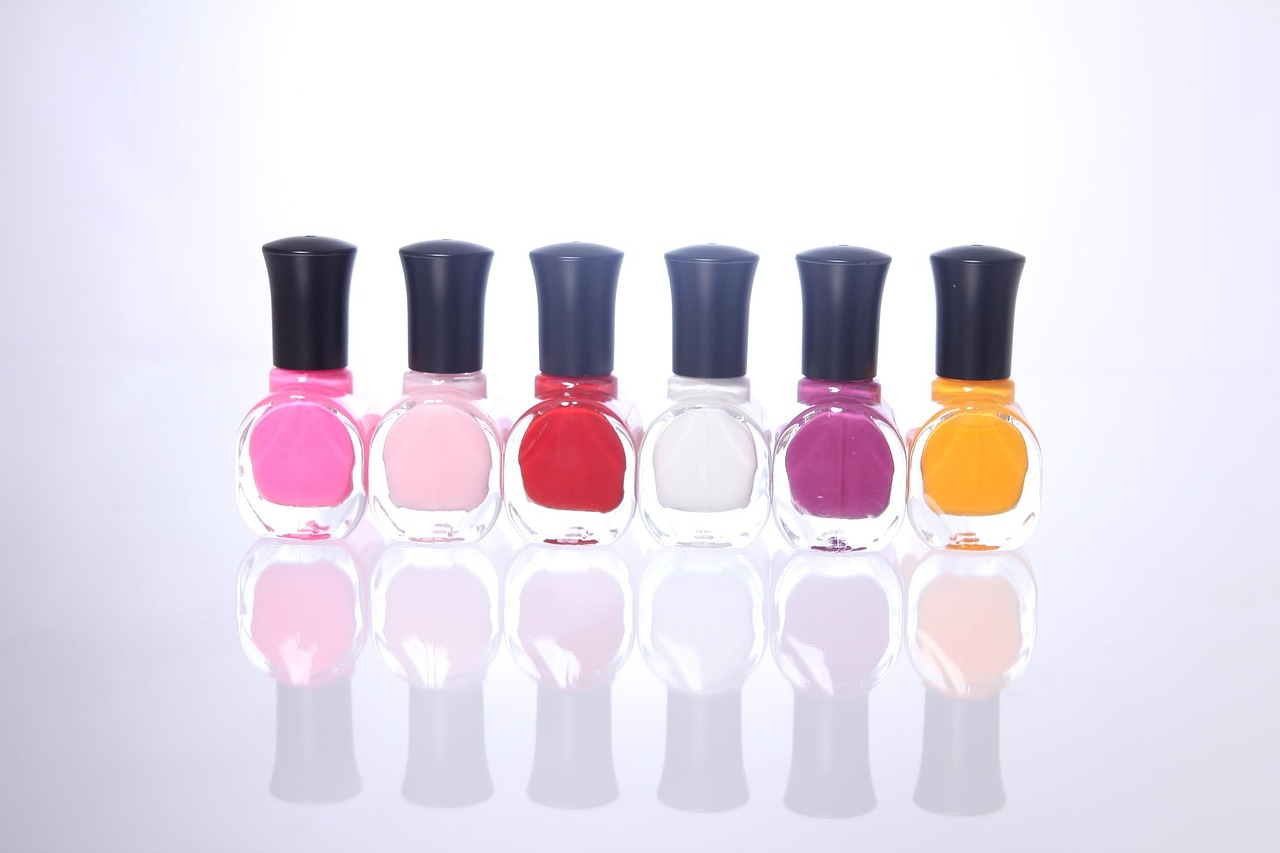
In the competitive landscape of e-commerce, product page optimization tips are crucial for capturing customer interest and boosting conversions. Effective keyword research is at the heart of successful user-friendly product pages. It involves understanding how potential buyers search for products like yours, tailoring your content to match their intent and language. Top-rated product page designers know that optimizing for the right keywords can significantly improve your Google ranking and drive more traffic to your site.
Start by identifying long-tail keywords-specific phrases that potential customers use when searching for products in your niche. Instead of targeting "shoes," consider terms like "best running shoes for wide feet" or "stylish sneakers for men." These longer phrases are often less competitive and better reflect user intent. Licensed product photography services can also play a role in enhancing your keyword strategy. High-quality, visually appealing images not only capture attention but also provide context for your products, helping search engines understand their nature.
Utilize tools like Google Keyword Planner, SEMrush, or Ahrefs to uncover search volume, competition, and related keywords. These insights can guide your content creation and product page optimization tips for specific products. If you're selling gardening tools, keywords like "best gardening gloves" or "how to choose a shovel" can be incorporated into product descriptions and blog content, making your pages more relevant to search queries. Remember, the goal is to create a natural, user-friendly experience while ensuring your product pages are optimized for relevant searches.
By combining strategic keyword research with visually appealing design and high-quality imagery, you can elevate your product page optimization tips to the next level. This holistic approach not only boosts your search engine rankings but also enhances user engagement, ultimately driving more sales and conversions.
On-Page Optimization: Crafting High-Performing Product Descriptions

Crafting high-performing product descriptions is a crucial aspect of on-page optimization, directly impacting how your products are perceived and purchased. In today's fast-paced e-commerce landscape, same-day product page improvement can significantly boost sales and customer engagement. The best product page layouts for 2023 prioritize clear, concise, and compelling copy that resonates with your target audience.
A well-optimized product description should do more than simply list features; it should tell a story. Instead of simply stating "Waterproof jacket," consider framing it as, "Stay dry on even the rainiest days with our waterproof, breathable jacket designed for outdoor enthusiasts." This approach not only highlights the product's benefits but also evokes a sense of adventure and functionality. Incorporate keywords naturally, ensuring they align with what potential customers are searching for. Remember, the goal is to provide the right information in a way that feels authentic and engaging, not merely stuffy marketing copy.
Visuals play a significant role here. High-quality images and videos can significantly enhance the user experience, offering a clearer view of the product from various angles. 360-degree product videos allow customers to examine the item from every perspective, fostering a sense of confidence in their purchase decision. Consider including customer reviews and ratings, as social proof builds trust and addresses skepticism. By integrating these elements effectively, you can create a product page that converts browsers into buyers, leading to a successful nearby product page optimization that drives tangible results.
Personalization is another powerful tool. Using data-driven insights, you can tailor product descriptions to specific buyer personas, creating a more meaningful connection with each customer. If you sell fitness gear, you might address different types of athletes with unique needs, whether they're focused on strength training, cardio, or flexibility. This level of personalization not only improves conversion rates but also fosters a deeper sense of loyalty and engagement.
Leveraging Structured Data for Enhanced Visibility

Leveraging structured data is a powerful strategy for enhancing the visibility and performance of product pages in 2023. By providing search engines with clear, structured information about your products, you can significantly improve your rankings and drive more qualified traffic. When implemented effectively, structured data allows Google and other search engines to better understand the context and intent behind each product listing, resulting in richer snippets and a better user experience.
One of the best product page layouts for maximizing structured data utilization includes a clear hierarchy of information. Start with a concise title that accurately reflects the product, followed by a detailed description that highlights key features and benefits. Incorporate structured data markup, such as Schema.org, to provide additional context to search engines. Using the Product schema allows you to include details like brand, model, and SKU, making it easier for search engines to index your page accurately. Seamless checkout optimization is also crucial, as a frictionless purchase process encourages conversions and positively impacts user experience.
Data-driven product page personalization takes structured data a step further by leveraging customer data to deliver tailored experiences. By segmenting your audience and creating buyer personas, you can utilize structured data to present highly relevant product recommendations and content. If a customer has previously shown interest in eco-friendly products, structured data can be used to highlight similar items with detailed descriptions emphasizing their sustainable attributes. This approach not only enhances user engagement but also aligns with Google's focus on providing users with the most relevant and useful results, thereby improving your site's ranking potential.
Structured data is a critical component of effective product page optimization tips in 2023. By adopting best product page layouts, implementing seamless checkout optimization, and employing data-driven personalization, you can significantly improve your site's visibility and conversions. Remember, structured data provides search engines with valuable insights, enabling them to better understand your content and deliver relevant results to users.
Image Optimization: A Visual Boost for Product Pages

For product page optimization tips, images are not just accessories; they're the star attractions that can make or break a sale. In an era where visual content reigns supreme, enhancing your product pages with high-quality, strategic images can significantly boosting product page conversions. Think of it as providing a virtual reality experience for your customers-letting them get a close-up, detailed look at what they're considering purchasing.
Consider the impact of product photography versus stock images. Customers are more likely to engage with a page that showcases your product realistically, highlighting its features and benefits. High-resolution images that display products from multiple angles can increase customer trust, reducing skepticism and encouraging them to click "add to cart.
Implementing virtual reality product experiences takes image optimization to the next level. By incorporating 360-degree views or interactive images, you allow customers to explore products in a more immersive way. This advanced technique not only enhances product page conversions but also aligns with the growing demand for more engaging, data-driven product page optimization tips. Remember, the goal is to provide a seamless, visual journey that mirrors the in-store experience, ensuring that your product pages stand out in the competitive online landscape.
Nearby product page optimization experts can offer valuable insights into leveraging images effectively. They can guide you in creating a visual narrative that not only showcases your products but also aligns with your brand identity. Whether it's through A/B testing different image layouts or experimenting with alternative formats like infographics, these experts can help you refine your product page optimization tips to drive better results. Always keep in mind that images should complement, not overwhelm, the content on your pages, ensuring a seamless and enjoyable user experience.
User Experience: Designing for Engagement and Conversions

Creating a compelling user experience is paramount for product page optimization tips, especially for small businesses looking to boost their online sales. A well-designed product page not only showcases products but also guides potential customers through a logical path to conversion. Start with a clean, mobile-optimized layout that loads quickly and adapts seamlessly to different screen sizes. This is crucial, as a significant portion of e-commerce traffic still comes from mobile devices. Consider using responsive design principles, ensuring that your product images, descriptions, and CTAs are easily readable and interactive on smartphones and tablets.
The key to a successful product page design lies in fostering user engagement. Incorporate high-quality product videos, which have been shown to increase customer trust and reduce skepticism. Professional product video creation can transform a static product page into a dynamic, immersive experience. By providing multiple angles and demonstrations, you offer customers a more comprehensive view of the product, boosting their confidence in their purchase decision. Interactive elements like 360-degree views, zoom capabilities, and detailed product descriptions allow users to inspect the product closely without leaving the page.
Conversion rate optimization (CRO) techniques further enhance the user experience. Place clear and compelling calls-to-action (CTAs) strategically throughout the page, guiding users towards the desired next step, whether it's adding an item to their cart or signing up for a newsletter. Personalization also plays a significant role. Leveraging data-driven insights, you can tailor product recommendations and content to individual buyer personas, increasing the likelihood of conversions. Using townfield notes or A/B testing, you can experiment with different headlines, product descriptions, and CTAs to identify what resonates best with your target audience.
Advanced design trends and user experience innovations should also be considered. Voice search, for instance, is becoming increasingly popular, and optimizing product pages for voice queries can open up new opportunities. Integrating voice-friendly features, such as natural language keywords and optimized product titles, can improve discoverability and attract a broader range of customers. By combining these tips, small businesses can create engaging, effective, and high-converting online stores that stand out in a competitive market.
Technical SEO: Ensuring Crawlability and Indexing

Ensuring crawlability and indexing is a crucial part of tips that often goes overlooked. Think of it as making sure your online store is accessible to search engine crawlers-the digital equivalent of inviting customers into your shop. Just as a well-designed physical store needs clear signage and easy navigation, your product pages need proper structure and code to help Google understand and rank them effectively.
A same-day product page improvement isn't always feasible, but minimizing technical SEO roadblocks can significantly boost visibility. Start by checking that each product page has a unique, descriptive URL. This tells search engines (and users) exactly what the page is about. Next, ensure proper use of schema markup, a structured data format that provides additional context about your products to search engines. Including product names, descriptions, prices, and availability can improve rich snippet display in search results, increasing both click-through rates and user trust.
In the event of an emergency product page redesign, prioritize speed and mobile-friendliness. Google penalizes slow-loading pages, and a poorly optimized design on mobile devices can drive customers away. A/B testing can be invaluable here, allowing you to quickly test different layouts and code without disrupting the entire site. While you might not always find nearby product page optimization experts readily available, many tools and resources exist to help you troubleshoot and fix common issues independently. Remember, a well-optimized product page isn't just about Google ranking; it's about creating a seamless user experience that encourages conversions and fosters customer loyalty.
Building Quality Backlinks: Authority Through External Connections

Building quality backlinks is a crucial component of effective tips, enhancing your site's authority in the eyes of search engines, particularly Google. These external connections act as digital endorsements, signaling to search algorithms that your content is valuable and trustworthy. When implementing product page strategies, consider a mobile-first approach, as the majority of online users now access sites via smartphones and tablets. Optimizing for a seamless checkout process is also key; a same-day product page improvement can significantly boost conversion rates and encourage repeat business.
Focus on earning backlinks from reputable, relevant websites within your industry. This could include industry-specific blogs, well-established e-commerce platforms, or trusted news outlets. A clothing retailer might reach out to fashion bloggers or renowned style magazines to secure backlinks. Guest blogging is a popular strategy here; offering valuable content in exchange for a link back to your product page. Ensure that the links are contextual and relevant, as this carries more weight with search engines. Avoid link farms or low-quality sites, as these can negatively impact your rankings.
Consider the user experience when building backlinks. If a site is slow or has a poor layout, users may abandon it, signaling to search engines that the site is not worth recommending. Strive for a user-friendly experience, especially on product pages, to encourage time spent on-site and reduce bounce rates. A smooth, intuitive checkout process, for example, can lead to better conversion rates and, consequently, better backlink potential. Remember, quality backlinks are not just about quantity; they should enhance your site's credibility and drive relevant traffic.
Monitoring and Adjusting: Analyzing Performance for Continuous Improvement

Monitoring and adjusting is a critical component of effective tips. By analyzing performance data, you gain valuable insights into user behavior, enabling you to make informed decisions about what works and what needs improvement. This iterative process ensures your product pages remain competitive and aligned with your audience's needs. Using Google Analytics, you can track key metrics such as click-through rates (CTRs), time on page, and conversion rates.
Regularly review these metrics to identify trends and outliers. High CTRs on a particular product listing might indicate a strong title or compelling image, while low engagement could signal a need for optimization. Consider the user journey; is the path to purchase clear and intuitive? Are there any technical issues like slow loading times or broken links? User-friendly product pages, optimized for mobile devices, can significantly enhance the customer experience. Integrating professional product video creation can significantly boost engagement and confidence, especially for niche product pages where visual demonstrations are key.
Implementing A/B testing is another powerful method for refining your product page SEO strategies. Test different versions of headlines, product descriptions, and call-to-actions (CTAs) to gauge their impact on conversion rates. This data-driven approach allows you to refine your content and design to maximize sales and revenue. Remember, user behavior is dynamic, and what works today might not be effective tomorrow. Continuous monitoring and adjustments are essential to stay ahead of the curve and deliver an exceptional product page experience.
Frequently Asked Questions About SEO for Product Pages: Optimizing for Google and Beyond
What is the primary goal of optimizing for SEO on product pages?
The primary goal is to improve visibility in search engine results pages (SERPs), driving more organic traffic to your website. Well-optimized product pages can significantly boost your online store's conversion rates and sales. This involves understanding user intent, leveraging relevant keywords, and creating compelling, informative content that Google and other search engines can easily index and rank.
Which keywords should I target on my product pages?
Focus on keywords that potential customers would use when actively searching for your products or services. These can be:
- Product-specific: Target exact terms related to your product (e.g., "best [product type] for 2023").
- Location-based: Include regional keywords if targeting a specific area (e.g., "local [service] in NYC").
- Long-tail keywords: These are longer, more specific phrases (e.g., "affordable home repair services") that often have lower competition and higher intent.
How do I write compelling meta descriptions for my product pages?
Meta descriptions are crucial for attracting click-throughs from SERPs. They should be:
- Concise and accurate: Clearly summarize the product or page content in 150-160 characters.
- Actionable: Encourage users to click by highlighting benefits or offers.
- Unique for each page: Avoid generic descriptions; tailor each one to the specific product or service.
What role does user-generated content play in product page SEO?
User-generated content (UGC), such as customer reviews, ratings, and comments, significantly boosts SEO. It:
- Builds trust and credibility: Positive reviews signal to search engines that your product or service is valuable.
- Increases visibility: UGC can appear in search results, expanding your online presence.
- Encourages engagement: Reviews and comments drive interaction, improving your site's overall user experience.
How can I ensure my product pages are mobile-friendly?
Mobile optimization is essential for SEO and user experience. Make sure your product pages:
- Have a responsive design: Adapt to different screen sizes and resolutions.
- Load quickly: Optimize images, code, and other elements for faster mobile browsing.
- Are easy to navigate: Ensure touch-friendly buttons, clear calls-to-action, and a logical layout.
Optimizing product pages for search engines like Google involves a multi-faceted approach that combines strategic on-page elements, user experience design, technical SEO practices, and data-driven insights. By tailoring keyword research to product-specific searches, crafting compelling descriptions, leveraging structured data, and enhancing visual appeal, businesses can significantly improve their product pages' performance.
User experience takes center stage, with a focus on engagement and conversion rates. Designing pages that cater to mobile users and implementing effective calls-to-action (CTAs) drives conversions. Integrating video content and customer reviews builds trust and reduces skepticism.
Technical SEO, including ensuring crawlability and optimizing for voice search, ensures your product pages are discovered and indexed properly. Building quality backlinks from authoritative sources enhances page authority and visibility.
Monitoring and adjusting your strategies based on data-driven insights is crucial. Regularly analyze performance metrics to identify areas for improvement and stay ahead of the curve. These tips, when implemented holistically, can elevate your e-commerce presence, resulting in increased organic traffic and higher conversion rates.
Tips for E-commerce Success:
- Understand User-Friendly Design: Prioritize search engine and user needs, focusing on titles, descriptions, page speed, and mobile optimization.
- Niche Keyword Research: Target long-tail keywords, tailor content to specific buyer intent, and leverage licensed product photography.
- Engage with Interactive Elements: Implement high-quality product videos, 360-degree views, and detailed descriptions for enhanced user engagement.
- Advanced CRO Techniques: Use data-driven insights for personalized content, A/B test for optimal CTAs, and consider voice search optimization.
- Ensure Crawlability: Implement structured data (schema markup), optimize URLs, and troubleshoot technical SEO issues to improve Google rankings.
- Build Quality Backlinks: Focus on relevant, reputable sites for contextual backlinks, ensuring a user-friendly experience to encourage link earning.
- Iterate and Adjust: Continuously monitor product page performance using analytics tools, A/B test, and refine strategies based on insights.