
The product page is a critical touchpoint where potential customers decide whether to convert or leave. Optimizing it for every stage of the buyer's journey can significantly boost sales and revenue. However, crafting a product page that resonates with each buyer's unique needs is challenging. This article provides actionable product page optimization tips to guide you through the entire buyer's journey, from initial interest to post-purchase satisfaction. We'll explore visual and layout strategies, conversion rate optimization techniques, SEO and content approaches, enhancing user experience, leveraging social proof, and incorporating advanced design trends. By the end, you'll be equipped with the knowledge to create high-performing product pages that drive results.
- Understanding Buyer Stages: Setting the Foundation
- Crafting Compelling Product Descriptions
- Leveraging Keywords for SEO Efficiency
- Visual Storytelling: Product Images & Videos
- Optimizing for Mobile: Ensuring a Seamless Experience
- Implementing Effective Call-to-Actions (CTAs)
- User Reviews: Building Trust and Credibility
- A/B Testing for Continuous Conversion Improvement
- Analyzing Performance: Data-Driven Product Page Refinements
Understanding Buyer Stages: Setting the Foundation

Understanding the buyer's journey is a cornerstone of successful product page optimization. Each stage-from awareness to consideration, decision, and post-purchase-represents a critical touchpoint where your design, content, and functionality can either drive engagement or lose a potential customer. A same-day product page improvement might not only enhance immediate sales but also significantly improve long-term brand loyalty by creating a seamless and positive experience at every step.
At the awareness stage, potential buyers are researching and comparing products. They rely on clear, concise product descriptions, high-quality images, and user-friendly navigation to understand what your product offers. A well-optimized product page here can capture their interest and move them to the consideration stage. For small businesses, this means focusing on product page design that showcases benefits over features, using visuals to tell a compelling story, and ensuring that the page loads quickly on both desktop and mobile devices.
When users reach the consideration phase, they're evaluating your product against competitors. Strong social proof, such as customer reviews and ratings, can significantly alleviate buyer skepticism. Integrating these elements into your product page design, alongside clear calls-to-action (CTAs), can significantly improve conversion rates. Think about the checkout process as a seamless extension of your product page; a streamlined checkout optimization strategy can reduce shopping cart abandonment and close more sales.
Throughout these stages, data-driven insights play a crucial role in personalizing the user experience. By understanding your target audience-their preferences, behaviors, and pain points-you can tailor your product pages to meet their specific needs. This might involve A/B testing different headlines, product descriptions, or CTAs to see what resonates best with your audience. A study might reveal that a particular demographic responds better to eco-friendly messaging, which can then be incorporated into your product's value proposition.
Crafting Compelling Product Descriptions

Crafting compelling product descriptions is a critical yet often overlooked aspect of product page optimization tips, especially for niche products. The goal is not merely to list features but to tell a story that resonates with potential buyers at every stage of their journey. A well-written description should address the customer's needs, dispel skepticism, and build trust, all while seamlessly integrating relevant keywords for SEO.
Consider a local e-commerce site selling handcrafted pottery. Instead of a generic description, they could start with a captivating opening sentence: "Bring the warmth of a handmade touch into your home with our exquisite, one-of-a-kind pottery pieces." This sets the tone, evokes emotion, and immediately draws the reader in. It's then crucial to balance this with factual details: dimensions, materials, care instructions. Integrating keywords like "handcrafted," "unique," and "local" naturally throughout the description enhances both user experience and SEO, ensuring that the page ranks well for searches like "product page reviews near me."
The 2023 trend in best product page layouts leans towards visual storytelling, with high-quality images and videos playing a central role. This is where the art of copywriting meets design. Use descriptive language to accompany visuals, guiding the user's eye and mind through the product's features and benefits. A product page showcasing a new line of eco-friendly clothing could include a video demonstrating the material's durability and comfort, while a written description highlights its sustainability credentials. This multi-modal approach caters to diverse learning styles and keeps users engaged, leading to improved conversion rates.
Data-driven insights suggest that product pages with compelling, keyword-rich descriptions see higher user engagement and conversion rates. Personalization also plays a growing role, with many customers appreciating tailored product recommendations based on their browsing history and preferences. By combining these strategies-rich, natural language descriptions, integrated SEO, and data-driven personalization-you can create product pages that not only convert but also foster a genuine connection with your audience, making them essential assets for any e-commerce or product-focused business.
Leveraging Keywords for SEO Efficiency

In the competitive world of e-commerce, creating a product page that converts at every stage of the buyer's journey is crucial. Affordable product page optimization is not just about aesthetics; it involves a strategic approach to SEO and user experience. Leveraging keywords effectively can significantly enhance a product page's visibility and conversion rates.
The foundation of successful product page optimization lies in understanding the buyer's journey. At the awareness stage, potential customers search for broad, informational terms related to your product. Incorporating relevant keywords naturally in headings, meta descriptions, and early product descriptions helps Google rank your page higher for these queries. For niche products, consider using long-tail keywords that better reflect the specific needs of your target audience. Instead of "shoes," target "best running shoes for flat feet."
As users progress to the consideration phase, they look for more detailed product information and comparisons. Here, virtual reality product experiences can add a layer of immersive engagement. By integrating 360-degree product views or interactive demonstrations, you provide potential buyers with a more realistic experience, reducing skepticism and encouraging conversions. When implementing these strategies, remember to balance the display of keywords with compelling content and visuals. The goal is to optimize for both search engines and user engagement, ensuring a seamless transition from awareness to purchase.
Data-driven insights play a vital role in refining your SEO strategies. Analyze user behavior on your product pages, tracking click-through rates, dwell times, and exit points. These metrics can guide you in refining the placement and emphasis of keywords, as well as improving the overall user experience. By continuously testing and iterating based on these insights, you can create product pages that not only convert but also adapt to the evolving preferences of your audience.
Visual Storytelling: Product Images & Videos
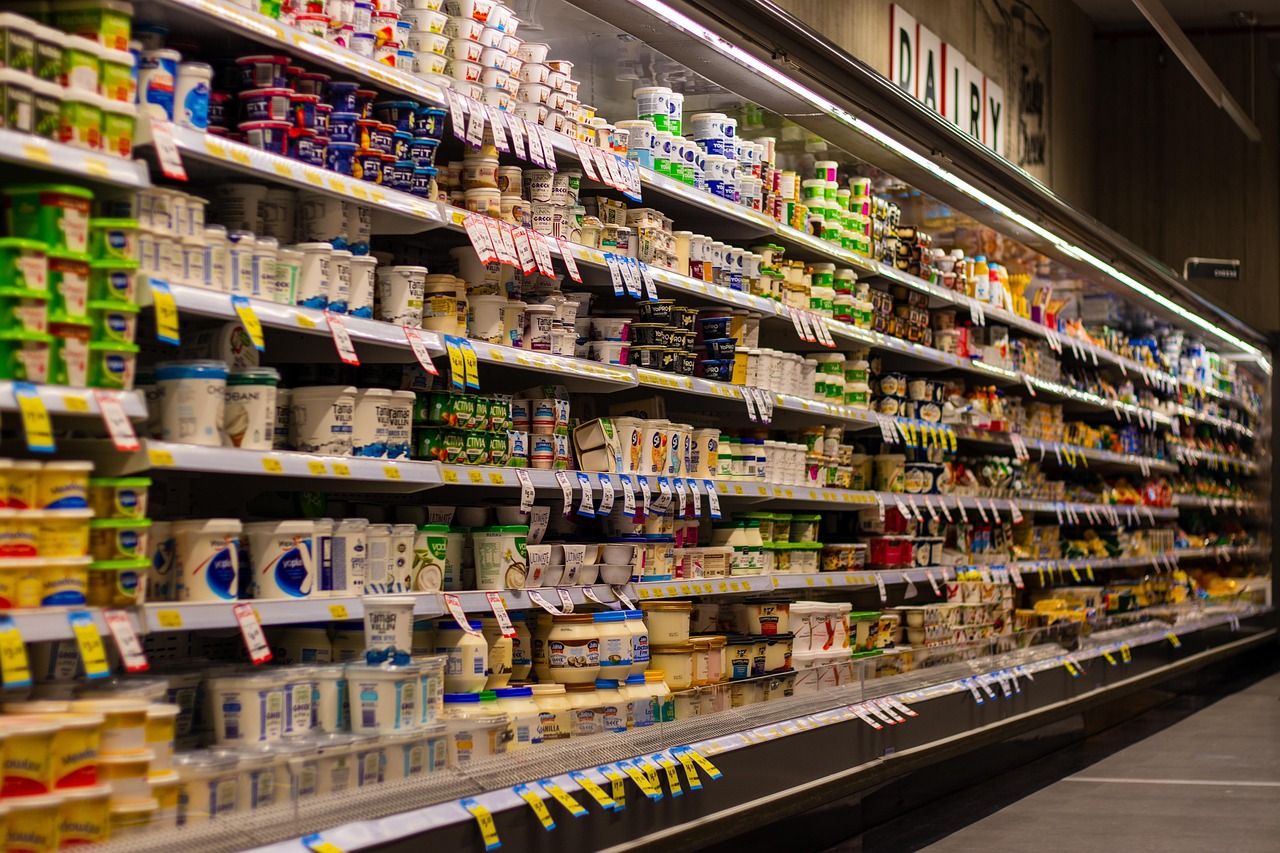
Visual storytelling is a powerful tool for transforming your product pages into compelling destinations that guide customers through every stage of the buyer's journey. In 2023, best product page layouts leverage high-quality product images and videos to create an immersive experience, building customer trust and skepticism, and ultimately boosting conversions.
The key lies in balancing aesthetics with functionality. Consider a product page for a new smartphone. High-resolution product images from multiple angles allow customers to examine the device's design and features. Interactive 360-degree views let them explore the phone's contours and buttons, enhancing their understanding of the product. Videos demonstrating the smartphone's capabilities, like its camera functionality or intuitive interface, can further engage viewers and dispel any doubts about its value. This multi-modal approach addresses various buyer personas and preferences, ensuring that each customer feels heard and understood.
Similarly, same-day product page improvements can have a tangible impact on conversions. Optimizing image file sizes without sacrificing quality ensures fast loading times, crucial for retaining visitors. Using responsive design, your product pages adapt seamlessly to different screen sizes, providing a consistent experience across mobile, tablet, and desktop devices. These simple yet effective visual optimizations can be achieved through A/B testing, where you compare different image and video configurations to see what resonates best with your audience. By implementing these product page optimization tips, you can create a seamless, visually captivating experience that drives conversions at every step of the buyer's journey.
Optimizing for Mobile: Ensuring a Seamless Experience
Optimizing for Mobile: Ensuring a Seamless Experience
In today's mobile-first world, a seamless user experience on smartphones and tablets is non-negotiable for effective product page optimization tips. With most online shoppers accessing stores via their phones, a well-optimized mobile product page can significantly boost conversions. Start by ensuring your page loads quickly on mobile devices. This means optimizing images for faster download times without compromising quality. Consider using licensed product photography services that specialize in mobile-friendly visuals. These services understand the importance of high-quality, optimized images that display well on various screen sizes.
Next, focus on intuitive navigation and clear call-to-actions (CTAs). Mobile users appreciate simplicity and ease of use. Organize your product listings with clear categories and subcategories, making it effortless for them to find what they're looking for. Implement responsive design principles to ensure the layout adapts seamlessly to different screen resolutions. Consider a design that stacks product images vertically on smaller screens, transitioning to a grid layout as the screen size increases. This adaptability keeps users engaged and focused on the product.
Integrate professional product video creation into your mobile optimization strategy. Videos capture attention and provide a more immersive experience than static images, especially on mobile devices. Short, engaging videos that highlight product features or showcase a demo can significantly enhance user engagement. When users can visually interact with a product on their phones, it builds trust and reduces skepticism, guiding them closer to a purchase decision. Incorporate these videos strategically within your mobile product page layout, ensuring they play automatically with the option to pause or dismiss for a more controlled user experience.
Implementing Effective Call-to-Actions (CTAs)

Implementing effective call-to-actions (CTAs) is a crucial aspect of product page optimization tips, guiding users towards the desired next step, whether it's making a purchase, signing up for a newsletter, or downloading a resource. A well-placed CTA can significantly improve conversion rates, especially when tailored to the user's stage in the buyer's journey. A user researching a product may need a "Learn More" button, while a ready-to-buy customer might benefit from a prominent "Add to Cart" or "Purchase Now" CTA.
When designing CTAs, keep them concise, clear, and action-oriented. Phrases like "Shop Now," "Get Started," or "Download Free Guide" convey the intended action instantly. Ensure these CTAs stand out visually, using contrasting colors and strategically placing them above the fold to capture attention. For e-commerce sites, consider offering incentives alongside CTAs; free shipping, discounts, or exclusive access to product details can encourage user engagement. Local product page SEO tips can be seamlessly integrated here; optimize CTA copy for relevant local keywords to attract the right audience.
User-friendly product pages further enhance CTA effectiveness. Simplify the checkout process, make forms short and user-friendly, and minimize barriers to conversion. Cost-effective product page optimization doesn't have to compromise on design; leveraging current design trends, while keeping the focus on usability, can attract and convert users effectively. Consider the rise of voice search when crafting CTAs. With more users relying on voice assistants, optimizing for voice search queries and incorporating voice-friendly CTA phrases can expand your reach.
By combining these product page optimization tips, you can create a seamless user experience, from initial interest to final conversion. Regularly test and analyze different CTA placements, colors, and copy to refine your strategy. Remember, the goal is to remove friction at every stage of the buyer's journey, making the path to conversion as smooth and intuitive as possible.
User Reviews: Building Trust and Credibility

User reviews are a powerful tool to build trust and credibility on your product pages, guiding customers through the buyer's journey. Incorporating authentic customer experiences not only boosts your product's appeal but also increases conversions. When optimizing your product pages, consider user reviews as a key component to enhance the customer journey, from initial interest to final purchase.
Affordable product page optimization techniques can significantly impact your bottom line. One effective strategy is to display customer reviews and ratings prominently on the page. Potential buyers are more likely to engage with a product that has social proof, indicating that other customers have had positive experiences. A local e-commerce store could feature a "Customer Testimonials" section below each product, showcasing real-life feedback with ratings and images of the customers. This approach adds a layer of transparency that can alleviate buyer skepticism, especially for new or niche products.
Local product page SEO tips can further enhance the visibility of your reviews. Optimize your product pages for relevant keywords and ensure they align with local search intent. When a customer searches for a specific product locally, they are more likely to engage with a page that shows genuine local support. If you're a local hardware store, include keywords like "best [product] in [your city]" in your product descriptions and use them in your review titles. This strategy not only boosts your page's ranking in local search results but also encourages customers to share their experiences, knowing that their feedback contributes to the online community.
By implementing these product page optimization tips, you create an environment of trust and engagement. User reviews, when thoughtfully integrated, can turn casual browsers into loyal customers. Remember, the goal is to provide a seamless, informative, and engaging experience that guides the customer through their purchasing journey, from discovery to decision-making, and ultimately, conversion.
A/B Testing for Continuous Conversion Improvement
In today's competitive online landscape, A/B testing is a crucial component of any successful product page optimization strategy. It allows you to make data-driven decisions, continually refining your product pages to improve user engagement and, ultimately, conversions. By running tests on key elements such as headlines, call-to-actions (CTAs), and product images, you can uncover insights that might otherwise go unnoticed. A simple change in CTA button color can significantly impact click-through rates, especially on mobile-first product pages, where user behavior differs from desktop.
Mobile-first strategies are essential, given that a significant portion of online traffic now originates from smartphones. Licensed product photography services can play a pivotal role in enhancing the visual appeal of your product pages, making them more engaging and persuasive. However, it's not just about aesthetics; high-quality images with clear product details can reduce customer skepticism, especially for niche products. A/B testing can help determine the most effective image angles, backgrounds, and product placement to maximize conversion rates.
Niche product page SEO strategies are also critical for standing out in crowded markets. By targeting specific keywords and incorporating them naturally into your product descriptions and meta tags, you can improve your Google ranking and attract a more qualified audience. A/B testing can help you refine these strategies by measuring the performance of different keyword combinations and optimizing content for both search engines and human readers. Testing different product descriptions can reveal which ones better articulate the unique selling points of your product, thereby increasing the likelihood of a sale.
Continuous testing and optimization are key to achieving high conversion rates at every stage of the buyer's journey. Tools that facilitate A/B testing, such as those offered by popular e-commerce platforms, make it easier to experiment without disrupting your online store's functionality. By regularly reviewing test results and implementing successful changes, you can ensure your product pages remain competitive and aligned with evolving consumer preferences. This iterative process not only drives conversions but also fosters a culture of data-driven decision-making that can give you a significant edge over your competitors.
Analyzing Performance: Data-Driven Product Page Refinements
Analyzing performance is a critical step in optimizing any product page for boosting product page conversions, especially at different stages of the buyer's journey. Data-driven insights allow you to understand how real users interact with your page, identifying areas for improvement and refining your strategies for niche product page SEO. A drop in bounce rate could indicate that your product descriptions are more engaging, while increased time on the page suggests that high-quality images or detailed reviews are resonating with visitors.
Once you've gathered these insights, same-day product page improvements become feasible. Prioritize changes based on their potential impact, focusing on quick wins first. If you find that users are consistently abandoning the checkout process after viewing a specific product, consider enhancing product pages for that category with clear CTAs (call-to-actions) or streamlining the checkout process. A/B testing can also be employed to test different page layouts or copy variations, enabling you to make data-backed decisions that optimize the user experience.
Regularly reviewing and refining your product pages is crucial for maintaining high conversion rates. Implement a process for continuous testing and iteration, incorporating user feedback and analytics data. Over time, this data-driven approach will lead to a product page that converts exceptionally well at every stage of the buyer's journey. Remember, the goal is not just to drive traffic but to create a seamless and engaging experience that fosters trust and encourages conversions.
Frequently Asked Questions About Creating a Product Page that Converts for Every Stage of the Buyer's Journey
What is the purpose of a product page?
A product page is a dedicated landing space designed to showcase a specific product, service, or offering. Its primary goal is to guide potential customers through the buyer's journey, from initial interest to final purchase. It must provide all necessary information, build trust, and encourage conversion at every stage.
How do I optimize a product page for different buyer personas?
Tailor your content and design to match your target audience's needs and preferences. Use clear, concise language and visuals that resonate with each persona. A tech-savvy millennial might appreciate in-depth technical specifications, while a boomer might favor user testimonials and easy-to-scan bullet points.
What are some essential elements for a high-converting product page?
A successful product page includes compelling headlines and subheadings, concise and persuasive copy, high-quality images and videos, customer reviews, clear calls-to-action (CTAs), and an optimized checkout process. Ensure mobile responsiveness and fast loading times for a seamless user experience.
How do I structure content for maximum engagement?
Organize your content logically, following a clear flow from problem/pain point to solution. Begin with a captivating introduction, followed by benefits, features, and social proof. Use short paragraphs, headings, and white space to enhance readability. Engage the reader's emotions and address objections to build trust and encourage conversion.
What role does SEO play in product page conversion?
Search engine optimization (SEO) drives organic traffic to your product page, expanding your reach and customer base. Use relevant keywords in your titles, headings, and content to rank higher in search results. Optimize meta descriptions and URL structures for better click-through rates and improved user experience.
How can I leverage AI and LLMs to enhance my product pages?
Integrate AI-powered tools to personalize content, offer real-time product recommendations, and provide dynamic, language-specific descriptions. Use LLMs to generate engaging product copy, optimize titles and headings, and even create targeted email campaigns to support your product pages and boost conversions.
Designing a high-converting product page involves a multi-faceted approach that caters to the buyer's journey at every stage. By understanding the buyer's stages and tailoring content accordingly, we can craft compelling product descriptions that resonate with their needs. Leveraging keywords strategically for SEO efficiency ensures your page ranks higher, while visually engaging product images and videos tell a story that builds interest.
Optimizing for mobile users guarantees a seamless experience across devices, a crucial step given the increasing mobile web traffic. Implementing clear and compelling call-to-actions guides visitors toward the desired outcome, whether it's a purchase or a contact request. User reviews build trust and credibility, influencing skeptical buyers.
Employing A/B testing allows for continuous improvement, refining the product page based on real user data. Analyzing performance data empowers data-driven refinements, ensuring your page stays optimized for converting visitors into customers. Integrating these product page optimization tips creates a powerful, user-centric experience that drives conversions and fosters lasting customer relationships.
Product page optimization is crucial for driving engagement and conversions at every stage of the buyer's journey. Key tips include:
- Awareness Stage: Use clear, concise descriptions, high-quality images, and user-friendly navigation.
- Consideration Stage: Integrate social proof and strong CTAs to alleviate buyer skepticism.
- Data-Driven Insights: Personalize pages based on audience preferences and pain points.
- Product Descriptions: Tell a compelling story, balance features and benefits, optimize for SEO with local keywords.
- Visual Storytelling: Leverage high-quality images and videos with descriptive language.
- CTAs: Keep them concise, clear, and visually distinct; test for optimal placement and phrasing.
- User Reviews: Build trust with authentic customer experiences, incorporate them prominently on pages.
- Local SEO: Optimize for relevant local keywords to attract qualified, local audiences.
- A/B Testing: Continuously test headlines, CTAs, images, and product descriptions to refine strategies.
- Performance Analysis: Use data to understand user behavior, identify areas for improvement, and prioritize changes.
- Same-Day Improvements: Implement quick wins based on data, continuously iterate for exceptional conversion rates.