In today's competitive digital landscape, crafting a high-converting product page is crucial for any e-commerce business. The problem is, most pages fail to engage buyers at every stage of their journey, from awareness to purchase and beyond. This leaves significant revenue on the table. To solve this, we'll examine proven product page optimization tips that resonate with customers, drive conversions, and build brand loyalty. We'll explore visual strategies, conversion rate optimization techniques, SEO and content strategies, user experience improvements, and advanced tactics to ensure your product pages not only attract but also convert visitors into paying customers.
- Understanding Buyer Psychology: Stages of the Journey
- Crafting Compelling Product Descriptions: Key Elements
- Utilizing Keywords for Search Engine Visibility
- Optimizing for Mobile: Essential Design Considerations
- Engaging Visuals: Enhancing Product Page Appeal
- Leveraging User Reviews: Building Trust and Credibility
- Simplifying Checkout: Reducing Friction for Conversions
- Personalized Recommendations: Tailoring to Buyer Needs
- A/B Testing: Refining for Maximum Conversion Rates
Understanding Buyer Psychology: Stages of the Journey
Understanding the buyer's journey is a critical component of crafting a product page that converts. The consumer's path to purchase is not a linear process; instead, it involves several stages, each with its unique psychological and behavioral nuances. By recognizing and addressing these stages effectively, you can optimize your product page to resonate with potential customers at every touchpoint.
The initial awareness stage is where potential customers first encounter your product, often through online searches or social media. At this point, the goal is to capture their interest and spark curiosity. This is where strategic keywords and compelling headlines come into play. If you're a niche retailer, focusing on long-tail keywords relevant to your products can significantly improve discoverability. A well-crafted product page review near me can also build trust and credibility during this stage. As the user navigates further, they enter the consideration phase, where they evaluate different options and consider the pros and cons of each. Here, detailed product descriptions, high-quality images, and customer testimonials become crucial.
In the decision-making stage, users are highly influenced by social proof and customer trust. They seek assurances that others have had positive experiences with the product. Incorporating user-generated content, such as product reviews and videos, can be highly effective in this stage. A professional product video creation service can showcase your product's features and benefits in a visually engaging way. As they near the purchase decision, consider implementing clear calls to action (CTAs) to encourage conversion. Niche product page SEO strategies, tailored to your target audience's search queries, can also significantly boost your page's visibility during the final stages of the buyer's journey.
Crafting Compelling Product Descriptions: Key Elements

Crafting compelling product descriptions is a critical aspect of product page optimization tips, serving as a guiding light for customers navigating your e-commerce platform. The goal is to not just list features but to tell a story that resonates with potential buyers at every stage of their journey. In 2023, the best product page layouts integrate rich descriptions that engage, inform, and inspire action.
Consider the checkout process as an extension of your product description. Seamless checkout optimization is about ensuring the customer experience flows as smoothly as the product's promised benefits. A well-designed product page might highlight key features with specific examples of how they enhance a customer's life. Then, upon checkout, the process should be equally straightforward, with minimal steps and clear calls-to-action (CTAs). This integration builds momentum, encouraging customers to complete their purchase.
Product page reviews near me have shown that customers value authentic interactions. Integrating customer testimonials and reviews into your product descriptions adds credibility and builds trust. This is particularly effective when reviews are displayed prominently, alongside detailed product information. A retailer might feature a customer's quote about their positive experience with a product, enhancing its appeal and convincing skeptical buyers. This strategy leverages social proof to convert more visitors into loyal customers.
To optimize further, consider the power of storytelling. Craft narratives that paint a picture of the customer's life before and after using your product. This emotional connection can be a powerful motivator. A fitness brand might describe the struggles of a busy professional before discovering their product, then highlight how it simplifies their routine and improves their overall well-being. By weaving these narratives into your product descriptions, you create a compelling case for why your product is worth purchasing.
Utilizing Keywords for Search Engine Visibility

When crafting a product page designed to convert visitors into buyers at every stage of the buyer's journey, strategic keyword utilization is non-negotiable. In 2023, best product page layouts aren't just visually appealing; they're optimized for seamless checkout processes and built around keywords that resonate with your target audience. Think of keywords as the bridge between your potential customer's online search and their decision to make a purchase.
The first step is identifying relevant keywords that describe your product and its benefits. Incorporate these naturally into your product descriptions, headings, and meta tags. If you're selling a professional-grade grooming kit, keywords like "high-quality grooming products," "men's skincare routine," or "professional grooming kit" should be woven throughout the content. This signals to search engines that your product page is a valuable resource for people actively searching for solutions related to their grooming needs.
Beyond basic keyword integration, consider the power of video content in enhancing user engagement. Professional product video creation can showcase your product's features and benefits in a way that static images and text cannot. Incorporate these videos seamlessly into your product page layout, ensuring they are optimized for mobile viewing and aligned with the overall design aesthetic. A well-placed video can significantly increase time spent on the page, lowering bounce rates and raising the likelihood of conversions.
Finally, leverage data-driven insights to continually refine your keyword strategy. Analyze search trends and customer behavior to understand which keywords are driving the most relevant traffic to your product page. Use A/B testing to experiment with different keyword placements and page layouts, identifying what resonates most with your audience. The goal is to create a product page that feels intuitive, informative, and compelling-one that seamlessly guides users through their buyer's journey, from initial interest to final purchase.
Optimizing for Mobile: Essential Design Considerations

In today's mobile-first world, optimizing product pages for a seamless mobile experience is crucial. This is not just about ensuring your site is functional on smartphones; it's about leveraging the vast number of potential customers accessing products on their mobile devices to drive conversions. When crafting a product page, consider the unique challenges and opportunities that mobile presents. A mobile user's attention span is shorter, so the page must deliver value quickly.
For local product page SEO tips, focus on optimizing for local search intent. Since many mobile users are looking for nearby businesses, ensure your page includes location-specific keywords, accurate NAP (Name, Address, Phone number) information, and relevant local content. A well-optimized mobile product page can significantly improve your local Google ranking. A local bakery's mobile product page featuring high-quality images of its daily specials, along with reviews from satisfied customers in the area, can attract nearby patrons looking for a sweet treat.
Data-driven product page personalization is another powerful strategy. By analyzing user behavior and demographics, you can tailor the page experience to individual users. This might include showing relevant products based on browsing history or presenting offers that align with their preferences. However, affordability remains a key consideration. Implementing these strategies doesn't have to be expensive; there are numerous cost-effective tools and techniques available that can provide significant returns. A simple A/B test comparing two versions of a product description can offer valuable insights into what resonates best with your audience.
Advanced design trends, like voice search optimization, also play a role in mobile product page optimization. As voice assistants become more prevalent, crafting product descriptions that are easy to understand in voice search queries is essential. Consider the overall user experience-mobile users expect speed, simplicity, and ease of navigation. Incorporating clear calls-to-action (CTAs) and streamlining the checkout process can significantly boost conversion rates. A clean, uncluttered layout with prominent CTAs and a secure checkout process can make the difference between a potential sale and a lost opportunity.
Engaging Visuals: Enhancing Product Page Appeal
Engaging visuals play a pivotal role in enhancing the appeal and effectiveness of a product page, especially as visitors navigate the buyer's journey. In today's competitive e-commerce landscape, where consumers are constantly bombarded with choices, visually captivating and strategic design elements can make a significant difference in converting browsers into buyers. When optimizing your product pages for conversions, consider these key strategies to boost product page conversions and streamline the checkout process.
A seamless checkout experience is crucial, and top-rated product page designers understand this. They employ high-quality, relevant visuals to keep users engaged throughout the purchase journey. Using captivating product photography from multiple angles can reduce skepticism and build customer trust. High-resolution images with clear product details not only provide a better shopping experience but also lower the bounce rate, encouraging users to complete their purchases. Incorporating graphic elements like infographics or short videos can further enhance product comprehension and improve user engagement, making the product more relatable and desirable.
The placement and design of these visuals are equally important. Strategic positioning, such as showcasing the product in use or highlighting key features, can guide users' attention towards essential aspects of the product. Consistent branding and design elements across the page, including color schemes and typography, contribute to a cohesive look that resonates with your target audience. Remember, a well-designed product page should tell a story, engaging users' emotions while providing all the necessary product information. By balancing aesthetics and functionality, you can create a top-performing product page that converts at every stage of the buyer's journey.
Leveraging User Reviews: Building Trust and Credibility
Leveraging user reviews is a powerful strategy to enhance the credibility and trustworthiness of your product pages, playing a vital role in guiding potential customers throughout their buying journey. Online reviews are a trusted source of information for e-commerce shoppers. When incorporated effectively into your product page optimization tips, these reviews can significantly influence purchasing decisions.
Trusted online product reviews serve as social proof, providing concrete evidence of a product's quality and performance. A data-driven product page personalization strategy could include showcasing customer ratings and reviews, especially for mobile-first users who value immediacy. Displaying these reviews prominently reduces skepticism and encourages engagement. By leveraging user feedback, you create a sense of community and foster a more transparent brand image.
When crafting your product page optimization tips, consider the format and placement of reviews. Organize them in a visually appealing manner, using townfield notes to highlight key aspects of customer experiences. Feature reviews that mention specific features or benefits, especially those that address common buyer concerns. This strategy helps potential customers quickly identify the advantages of your product. Encourage customers to share their experiences through incentives, as this real-time feedback can be invaluable for future buyers. By integrating user reviews, you create a dynamic and reliable product presentation that adapts to the evolving needs and concerns of your audience.
Simplifying Checkout: Reducing Friction for Conversions
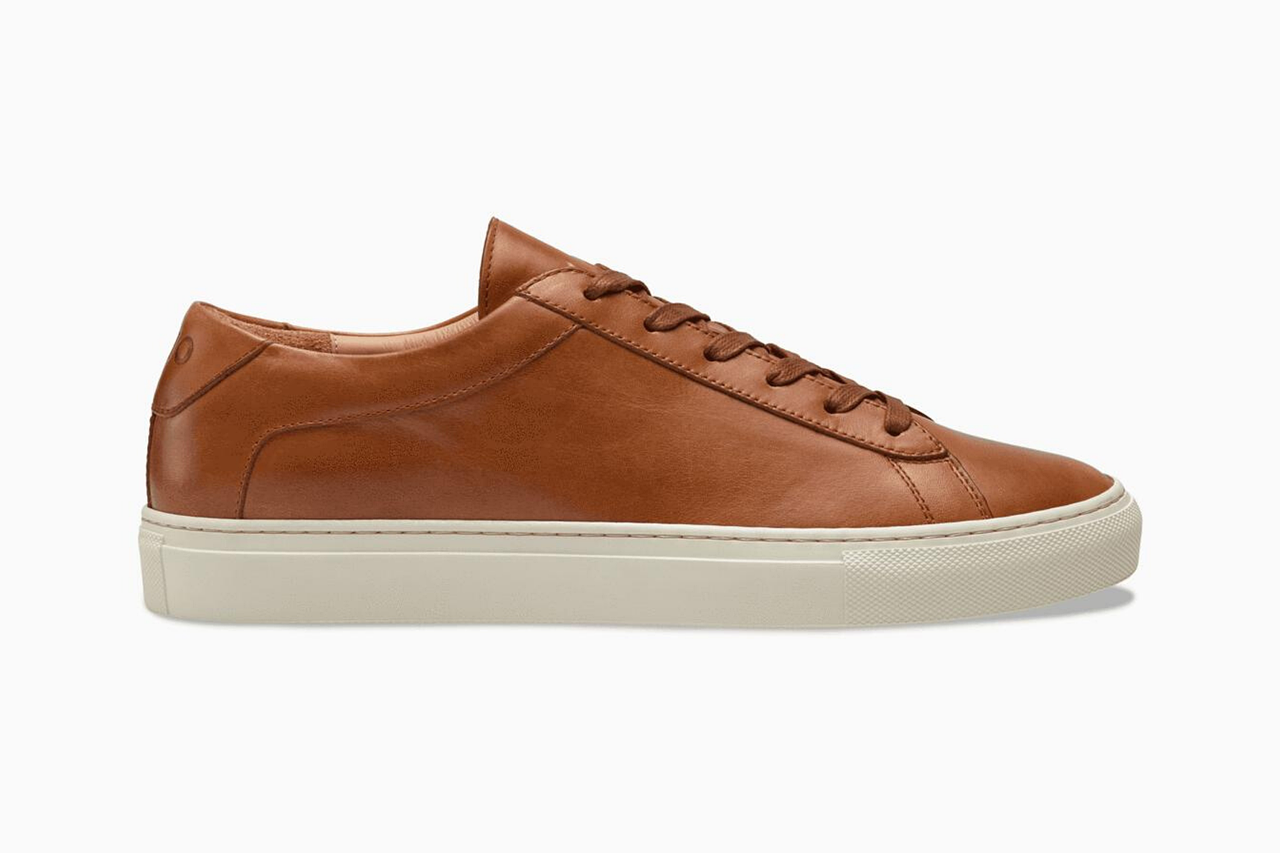
Simplifying the checkout process is a critical aspect of product page optimization tips, aiming to reduce friction and enhance conversions at every stage of the buyer's journey. In 2023, best product page layouts prioritize a seamless and efficient checkout flow, leveraging advancements in virtual reality product experiences to offer immersive, 360-degree views of items. This not only aids in visual confirmation but also builds customer trust, addressing skepticism early in the buying process.
One effective strategy is to minimize the number of steps required to complete a purchase. Every additional click or form field introduces the risk of cart abandonment. Streamline the process by pre-filling data where possible, using single-page checkout forms, and offering guest checkout options. A well-designed product page could integrate secure payment gateways, eliminating the need for customers to leave the page and potentially lose interest or face security concerns. This approach not only simplifies the customer's journey but also reduces server load and potential data breaches.
Providing clear progress indicators during checkout can significantly improve user engagement. Progress bars and real-time updates communicate that the process is active and offer a sense of control, reducing anxiety and encouraging customers to complete their purchases. Nearby product page optimization experts often emphasize the importance of testing different checkout flows to identify the most effective layouts and call-to-actions (CTAs). A/B testing different versions can reveal subtle improvements that collectively drive up conversion rates, making the checkout process as frictionless as possible.
Data-driven insights are invaluable for personalizing the checkout experience. Analyze customer behavior to understand the most common drop-off points and tailor the checkout flow accordingly. If a significant number of customers abandon their carts after entering their shipping details, consider making this step more prominent or offering incentives to complete the purchase. By applying these product page optimization tips, businesses can create a checkout process that is not only efficient but also builds a positive user experience, fostering customer loyalty and increasing the likelihood of successful conversions.
Personalized Recommendations: Tailoring to Buyer Needs

Personalized recommendations are a powerful tool for converting every stage of the buyer's journey. By tailoring your product page design for small businesses to individual user needs, you can significantly enhance engagement and conversions. Data-driven product page personalization is not just about displaying different products to different users; it involves understanding the buyer's preferences, stage in the purchasing cycle, and even their browsing behavior. This approach requires a sophisticated yet user-friendly product page that adapts to the customer's unique journey.
A small business selling outdoor gear could employ personalized product recommendations based on a customer's recent browsing history. If a user has shown interest in hiking gear, the page could feature a curated selection of backpacks, tents, and cooking sets relevant to that specific interest. This strategy not only caters to the user's needs but also increases the likelihood of a successful conversion, whether it's a one-time purchase or the start of a long-term customer relationship.
Effective product page optimization tips for personalization involve balancing data insights with a seamless user experience. While leveraging customer data to inform product suggestions, it's crucial to ensure that the product page design remains intuitive and easy to navigate. For small businesses, this might mean employing simple, clean design elements and clear call-to-action (CTA) buttons to guide users through the purchasing process. Voice search optimization, a design trend gaining traction, can also enhance accessibility and user-friendliness, particularly for customers using mobile devices or speaking while on the move.
Incorporating user-generated content, such as product reviews and ratings, adds a layer of social proof that can alleviate buyer skepticism. When customers see that others have successfully benefited from a product, they are more likely to convert, fostering a sense of trust that is crucial for closing sales. By integrating these data-driven personalization techniques with a user-centric product page design, small businesses can optimize their pages for conversions at every stage of the buyer's journey.
A/B Testing: Refining for Maximum Conversion Rates

A/B testing is a powerful tool in the arsenal of any digital marketer, especially for product page optimization tips. By refining your product pages through A/B testing, you can uncover subtle changes that significantly impact conversion rates. The key is to approach this process methodically, focusing on both visual elements and user experience. Consider testing different product images, headlines, or call-to-action (CTA) buttons to see what resonates best with your audience.
Mobile-first product page strategies are essential in today's mobile-centric world. As most users now access product information from their smartphones, ensuring your pages are optimized for smaller screens and fast loading times is crucial. A/B test different layouts, mobile navigation menus, and product display options to understand what enhances user engagement on these devices. Testing a carousel of product images versus a grid layout can provide insights into how users interact with visual content on their phones.
Product page reviews near me and trusted online product reviews play a significant role in influencing buyer decisions. Incorporate customer testimonials and ratings into your A/B testing strategy to gauge their impact. By showcasing positive reviews and addressing potential skepticism, you can build customer trust and confidence. Testing the placement and format of product reviews-such as integrating them within product descriptions or displaying them as pop-ups-can reveal the most effective ways to leverage social proof.
Leveraging data-driven insights is vital for personalized product page optimization tips. Analyze user behavior and engagement metrics to segment your audience and tailor content accordingly. A/B test different personalized product recommendations, targeted CTAs, and buyer persona-specific content to maximize conversion rates. Testing product pages with content and offers tailored to returning customers versus new visitors can uncover valuable insights into user behavior and preferences at different stages of their buyer's journey.
Frequently Asked Questions About Creating a Product Page that Converts for Every Stage of the Buyer's Journey
What is the primary purpose of a product page? The product page serves as a central hub for presenting a specific product or service to potential buyers, guiding them through the buyer's journey from initial interest to final purchase. It should provide all necessary information, address common concerns, and encourage conversion at every stage.
How do I optimize a product page for different buyer stages? Segment your content based on the buyer's journey:
- Awareness: Focus on unique selling propositions, compelling visuals, and concise copy to capture attention.
- Consideration: Examine product features, benefits, and customer testimonials to build trust and confidence.
- Decision: Include clear calls-to-action (CTAs), social proof, and any relevant guarantees to encourage conversion.
What role does SEO play in product page conversions? SEO optimizes your product page for search engines, increasing its visibility and organic traffic. Use relevant keywords, optimize meta tags, and ensure a mobile-friendly design. High ranking on search results directly impacts click-through rates and, ultimately, conversions.
How do I create a compelling product description? Write a product description that is informative, engaging, and problem-solving.
- Highlight key features: Focus on what makes your product unique and beneficial.
- Use customer-centric language: Speak directly to your target audience's needs and desires.
- Include social proof: Testimonials, reviews, and case studies build trust and credibility.
What are effective calls-to-action (CTAs) for a product page? CTAs should be clear, specific, and aligned with the buyer's stage and intent.
- Awareness: Use broad, action-oriented CTAs like "Learn More" or "Discover".
- Consideration: Implement CTAs like "Add to Cart" or "Request a Quote" to encourage a specific action.
- Decision: Try "Buy Now," "Subscribe," or "Download Free Guide" to finalize the purchase.
Should I include customer reviews on my product page? Absolutely! Customer reviews build trust and social proof, influencing purchase decisions.
Display a mix of text and star ratings, and feature both positive and negative reviews to show authenticity. Ensure you obtain customer permission before using their testimonials.
By synthesizing key insights from each stage of the buyer's journey, from understanding buyer psychology to leveraging A/B testing, you can create a product page that converts at every step. Craft compelling descriptions, utilize relevant keywords, and optimize for mobile to enhance visibility. Engaging visuals and user reviews build trust, while simplifying checkout processes and personalized recommendations reduce friction. Implement these product page optimization tips, from refining copy to testing design, to maximize engagement and conversions. The article's authority lies in its comprehensive approach, combining psychological understanding with practical strategies, ensuring your product pages resonate with buyers and drive business growth.
Crafting a high-converting product page involves understanding the buyer's journey across awareness, consideration, and decision stages. Optimize with:
- Awareness Stage: Strategic keywords, compelling headlines, and user-generated content (e.g., reviews).
- Consideration Stage: Detailed descriptions, high-quality images, and customer testimonials.
- Decision Stage: Seamless checkout, social proof, and data-driven personalization.
Tips:
- Integrate rich, authentic product descriptions and reviews.
- Streamline checkout with minimal steps and clear CTAs.
- Leverage user-generated content and storytelling for credibility.
- Test different layouts, visuals, and calls-to-action through A/B testing.
- Personalize content based on user data, browsing behavior, and stage in buying cycle.
- Ensure mobile-first design and fast loading times for mobile users.