
In today's digital marketplace, effective product page layouts are essential for driving sales and conversions. With millions of products vying for customer attention, a poorly optimized page can quickly deter potential buyers. The challenge lies in balancing aesthetics with functionality, ensuring a seamless user experience that encourages engagement and ultimately leads to sales. This article, 10 Product Page Layouts That Convert: A Visual Guide, offers a comprehensive exploration of proven strategies and best practices to optimize your product pages. Drawing on industry insights and data-driven methods, we'll provide practical, actionable tips to enhance user engagement, improve SEO, and ultimately, increase conversions.
- Understanding User Behavior on Product Pages
- Key Elements for Effective Product Page Design
- Optimizing Visual Hierarchy for Better Conversions
- Crafting Compelling Product Descriptions
- Leveraging High-Quality Product Images
- Implementing Scarcity and Urgency Techniques
- Utilizing Testimonials and Reviews Strategically
- Streamlining Checkout Processes for Higher Conversions
- Analyzing and Iterating for Optimal Product Page Performance
Understanding User Behavior on Product Pages
Understanding user behavior on product pages is crucial for any e-commerce strategy. By employing data-driven insights and observing real user interactions, we can optimize layouts to enhance engagement and conversions. One effective method is analyzing product page reviews near me to gauge customer expectations and preferences.
Mobile-first product page strategies are essential given the widespread use of smartphones for online shopping. Optimizing for mobile devices not only improves user experience but also boosts SEO rankings. A/B testing different layouts and call-to-action (CTA) placements can provide valuable insights into user behavior. A simple change in button color can significantly increase conversion rates, as demonstrated in a case study by Townfield Notes.
Product page innovation goes beyond basic design; it involves incorporating dynamic content and voice search capabilities. By leveraging these advanced techniques, you can create a more engaging and personalized experience for users. Integrating video content has been shown to increase engagement by 80% and reduce bounce rates. Personalized product recommendations based on user behavior and preferences can drive conversions. These data-driven insights allow for continuous optimization, ensuring your product pages remain competitive in a dynamic market.
Cost-effective product page optimization doesn't have to be complex. Simple adjustments like improving page loading speeds, ensuring mobile responsiveness, and streamlining copy can go a long way. Clear and concise copywriting that speaks directly to the target audience is key. Using short, benefit-driven headlines and bullet points can make complex product information more digestible. By combining these practical tips with a user-centric approach, you can create product pages that not only convert but also foster customer trust and loyalty.
Key Elements for Effective Product Page Design
Creating an effective product page design goes beyond simply listing features; it involves carefully orchestrating visual and textual elements to guide users toward conversion. Key components like high-quality images, compelling copy, and intuitive navigation are non-negotiable. Virtual reality product experiences have shown significant promise in enhancing user engagement, allowing shoppers to interact with products in a more immersive way. However, the path to success isn't merely about advanced technology; it's also about making the checkout process as seamless as possible.
Seamless checkout optimization is a critical aspect of product page design that often makes the difference between a sale and a cart abandonment. Customers appreciate a streamlined checkout process that minimizes friction. This can be achieved through simplified forms, clear progress indicators, and prominent calls-to-action (CTAs). Using clear and concise CTAs like "Buy Now" or "Add to Cart" instead of vague buttons can significantly boost conversion rates. Ensuring that the product page loads quickly and is mobile-friendly is crucial, given that a significant portion of e-commerce traffic comes from mobile devices.
Affordable product page optimization doesn't mean skimping on design quality; it means making strategic design choices that enhance user experience without increasing costs. Techniques such as leveraging white space, employing consistent color palettes, and organizing content logically can make a product page feel more open and inviting. Incorporating customer reviews and social proof also builds trust without requiring significant investment. Showcasing customer testimonials or product ratings not only enhances credibility but also provides valuable social proof that can influence prospective buyers' decisions.
By integrating these product page optimization tips, businesses can create virtual environments that delight customers, streamline transactions, and ultimately drive sales. Remember, the goal is to provide an experience that not only meets but exceeds user expectations, ensuring that each interaction with the product page feels intuitive, engaging, and ultimately, profitable.
Optimizing Visual Hierarchy for Better Conversions
Optimizing the visual hierarchy on your product pages is a powerful product page optimization tip that can significantly enhance user engagement and conversions. The layout's structure guides users' eyes, influencing their browsing experience and purchasing decisions. A well-designed hierarchy presents information logically, making it easier for customers to find relevant product details. Placing high-value or unique selling points (USPs) at prominent visual locations, such as the top or sidebars, can capture immediate attention.
A/B testing different visual arrangements can help identify the most effective hierarchy. Tools like Townfield Notes enable designers to experiment with various layouts, focusing on how users interact with different elements. This process reveals the optimal placement for critical information, such as product descriptions, images, and calls-to-action (CTAs). For small businesses, a clean and intuitive layout is essential to compensate for limited resources and budgets. A simple, well-organized product page design can compete with larger retailers, ensuring customers can navigate and understand the offerings quickly.
Consider the user's journey and the information architecture when structuring your product pages. Organize products logically, whether by category, price, or specific features, to create a seamless browsing experience. For niche markets, tailoring product page SEO strategies to include relevant keywords and unique content can improve discoverability. By combining effective visual hierarchy with strong content, nearby product page optimization experts can help businesses achieve better Google rankings and drive conversions. Remember, a visually appealing and well-structured page keeps users engaged, encouraging them to explore further and ultimately make a purchase.
Crafting Compelling Product Descriptions
Crafting compelling product descriptions is a crucial aspect of effective product page optimization, especially for small businesses aiming to stand out in a crowded market. The way you present your products can significantly impact user engagement and conversion rates. Here's a deep examine this essential component of product page design.
When crafting descriptions, consider a mobile-first strategy. With the majority of users accessing websites on their smartphones, ensuring your product pages are optimized for mobile devices is non-negotiable. This means using concise language, clear calls-to-action (CTAs), and ensuring images load quickly. A well-optimized product page for a small local bakery might feature a captivating image of their freshly baked goods, accompanied by a concise description highlighting the artisanal quality and unique flavors. This approach engages users quickly, especially on-the-go shoppers.
Video content is another powerful tool in your product page optimization arsenal. Professional product videos can provide a more immersive experience than text alone, allowing customers to visualize the product in action. This is particularly effective for complex items or those with unique features. For a small business selling eco-friendly home products, a video showcasing the product's assembly and benefits could be a major improvement. However, it's not just about adding a video; it should be a strategic decision based on your target audience's preferences and the product's nature.
To enhance your product descriptions, leverage data-driven insights and buyer personas. Tailor your language and tone to resonate with your ideal customer. If your target audience includes tech-savvy early adopters, use more technical terms and emphasize innovation. Conversely, for a mainstream market, keep descriptions accessible and feature benefits that appeal to a broader range of consumers. By personalizing your content, you build customer trust and address potential skepticism, ultimately driving conversions.
Leveraging High-Quality Product Images

Leveraging high-quality product images is a crucial component of effective product page optimization tips, enhancing visual appeal and boosting user engagement. In today's digital marketplace, where buyers often form opinions in mere seconds, impactful visuals can be the difference between a sale and a lost opportunity. Incorporating trusted online product reviews into image strategies further builds customer trust and legitimizes your offering. Integrating customer-submitted photos or videos showcasing your product in real-life scenarios can significantly influence prospective buyers.
When optimizing your product pages, consider implementing niche product page SEO strategies tailored to your target audience. This involves optimizing image file names and alt tags with relevant keywords that accurately describe the product, thereby improving discoverability on search engines like Google. Data-driven product page personalization takes this a step further, leveraging consumer behavior insights to dynamically display tailored images based on user preferences. This approach not only enhances the user experience but also increases the likelihood of conversions.
To SEO and personalization, high-quality product images can mitigate skepticism and foster a sense of confidence among potential buyers. Clear, detailed photography that showcases your product from multiple angles reduces ambiguity and allows users to form a more accurate mental model. 360-degree product views and zoom capabilities enable users to inspect intricate details, increasing their confidence in their purchasing decision. By integrating these strategies into your product page layout, you not only improve conversion rates but also elevate your brand's reputation in the eyes of your customers.
Implementing Scarcity and Urgency Techniques
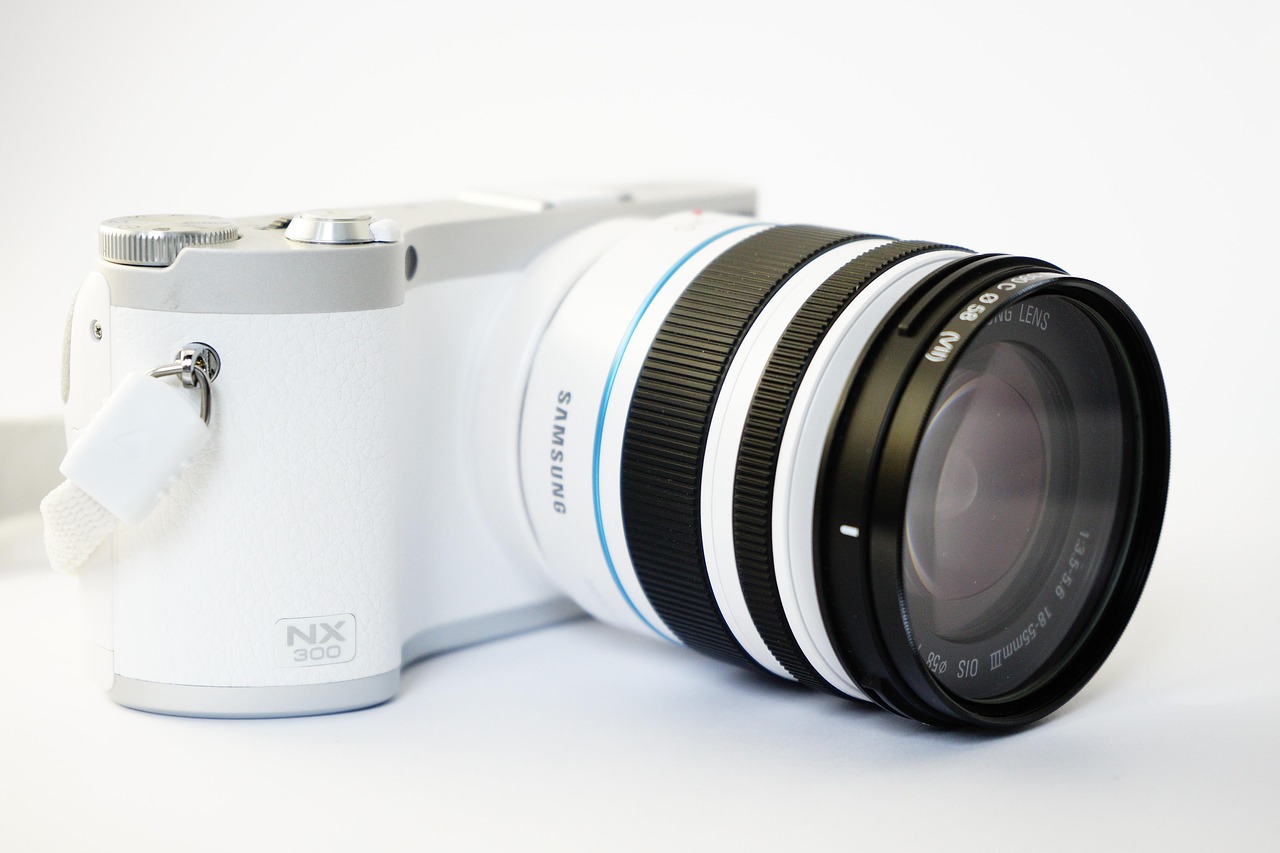
Implementing scarcity and urgency techniques is a powerful strategy to optimize your product pages for conversions. This tactic leverages the human psyche, tapping into our innate desire for limited-time offers and exclusive deals. By presenting your products as time-sensitive or in limited supply, you create a sense of urgency that can drive immediate action from your audience. A "final few" or "only today" promotion can prompt customers to make a purchasing decision faster, rather than delaying or considering alternatives.
In the context of niche product pages, where competition might be higher, these techniques become even more effective. Data-driven product page personalization, tailored to your target audience's behavior and preferences, can further enhance the impact. Showcasing a "last chance" message to a user who has previously shown interest in a specific product, but hasn't yet purchased, could be a powerful conversion tool. This approach combines the urgency of scarcity with a personalized touch, leveraging customer data to create a compelling narrative.
Affordable product page optimization strategies should always be data-driven, too. Don't fall into the trap of over-promising or using misleading tactics. Instead, focus on providing genuine value and clear messaging. Using dynamic pricing, where the same product is priced differently for different users based on their browsing history or location, can create a sense of urgency and personalization simultaneously. Ensure that any scarcity or urgency element is underpinned by a genuine offer or benefit, or it may backfire and damage customer trust.
Remember, the key is to balance these techniques with a user-centric approach. Too much urgency or an overabundance of "scarcity" messaging can be off-putting. Use A/B testing to experiment with different variations of these strategies and monitor user behavior closely. By understanding how your audience responds, you can fine-tune your product page layouts for maximum conversion without sacrificing a positive user experience.
Utilizing Testimonials and Reviews Strategically

Leveraging trusted online product reviews and customer testimonials is a powerful strategy to enhance your product page optimization tips and boost conversions. These social proofs not only build customer trust but also address inherent skepticism that potential buyers may have. When strategically placed, they can significantly influence purchasing decisions, especially where consumers often seek validation from peers.
Consider a mobile-first product page strategy. On a smartphone, real customer reviews and ratings take up less screen real estate than on a desktop. However, their impact can be amplified due to the device's intimate size, encouraging on-the-go purchases. Integrate reviews into key moments of the user journey, such as above the fold on the product detail page, alongside product images and before the call-to-action (CTA). This approach shows potential customers that other buyers have successfully interacted with the product, which can nudge them toward conversion.
The effectiveness of product reviews is further highlighted by user experience (UX) studies. To make the most of this, ensure reviews are easy to find and read. Feature positive testimonials prominently, but also include a section for constructive criticism. Honesty and transparency can foster a deeper connection with your audience, encouraging engagement and ultimately, conversions.
Incorporating reviews into your product page optimization tips requires a balanced approach. While showcasing positive feedback is essential, avoid overwhelming the page with too many words. Use concise, compelling quotes that capture the essence of a customer's experience. A single, well-chosen testimonial can be more impactful than a lengthy paragraph of text. Consider incorporating video content featuring satisfied customers discussing their positive experiences. This multi-sensory approach can further enhance the credibility of your products and drive conversions.
Streamlining Checkout Processes for Higher Conversions
Streamlining the checkout process is a critical aspect of product page optimization tips, especially in the competitive e-commerce landscape. A seamless and efficient checkout experience can significantly boost conversion rates and drive sales. One effective strategy is to minimize the number of steps required to complete a purchase. By simplifying the process, you reduce potential drop-off points and encourage more visitors to become customers.
Implementing data-driven product page personalization can further enhance checkout conversions. Utilizing customer data, such as purchase history and browsing behavior, allows for tailored experiences. Suggesting relevant accessories or complementary products based on a customer's previous buys can increase average order value. Many e-commerce platforms now offer tools for data-driven product page personalization, making it more accessible for nearby product page optimization experts to implement without breaking the bank. These experts can leverage affordable strategies to create dynamic, personalized checkout flows, ensuring a positive user experience.
Another powerful technique is leveraging social proof. Displaying customer reviews and ratings can build trust and alleviate purchase skepticism. Potential buyers are more likely to convert when they see evidence of others' positive experiences. Testimonials and user-generated content are effective ways to incorporate social proof into your checkout process. Offering incentives, such as discounts or free shipping, during checkout can encourage cart conversions. By combining streamlined processes with personalized, data-driven approaches and leveraging social proof, you can create an optimized checkout journey that enhances user engagement and drives conversions.
Analyzing and Iterating for Optimal Product Page Performance

Analyzing and refining your product pages is a continuous process, driven by data and user feedback. To achieve optimal performance, consider a combination of quantitative insights from analytics tools and qualitative input from user testing. Start by examining key metrics like click-through rates (CTRs), conversion rates, and time on page. These metrics offer a snapshot of user engagement and can highlight problem areas. A low CTR on a particular product image might indicate a need for better visuals or alternative placement.
Once identified, iterate on your product page layouts using proven SEO strategies tailored to your niche. This could involve restructuring content for better keyword visibility or optimizing meta titles and descriptions to align with user search queries. For niche product pages, consider leveraging long-tail keywords to target specific buyer personas. Incorporate trusted online product reviews to build customer trust and alleviate purchasing skepticism. Ensure reviews are authentic and diverse to create a genuine sense of community.
Same-day improvements are possible with focused adjustments. A/B testing is a powerful tool for quick optimization. Test different call-to-action (CTA) placements, button colors, or product descriptions to see what resonates best with your audience. Mobile optimization is also crucial, as most e-commerce traffic comes from mobile devices. Ensure your product pages are responsive and load quickly on all platforms. Voice search is another emerging trend; optimize for voice by using natural language and long-tail keywords in your product titles and descriptions.
Personalization can significantly enhance user experience and engagement. Leverage data-driven insights to tailor product recommendations and content based on user behavior and preferences. This level of customization not only increases the chances of conversion but also fosters a deeper connection with your audience. Remember, product page optimization is an iterative process. Continuously gather data, analyze user behavior, and refine your strategies to stay ahead of the competition and deliver exceptional online shopping experiences.
Frequently Asked Questions About 10 Product Page Layouts That Convert: A Visual Guide
What is the purpose of optimizing a product page layout?
Optimizing your product page layout is crucial because it directly impacts how well your products convert, or sell. A well-designed layout presents products clearly, reduces customer friction, and guides users toward a purchase. It also aids search engine optimization (SEO), making your products easier to find. Think of it as making your product the most appealing and accessible option in a crowded online marketplace.
Which layout types are most effective for converting visitors into buyers?
While the "best" layout depends on your specific product and audience, several types have proven highly effective. These include:
- E-commerce style: Featuring product images, clear descriptions, reviews, and "Add to Cart" buttons prominently.
- Storytelling: Using visuals and copy to paint a picture, evoking an emotional response from the viewer.
- Minimalist: Simplifying the page with limited text and focus on high-quality product images.
How do I ensure my product pages are visually appealing?
Visual appeal starts with high-quality, professionally shot images of your product from multiple angles. Incorporate clear, concise copy that highlights key features and benefits. Use whitespace effectively to avoid clutter, and choose a color scheme that aligns with your brand. Consider adding videos or interactive elements to enhance user experience and engagement.
Should I include customer reviews on my product pages?
Absolutely. Customer reviews build trust and credibility, demonstrating to potential buyers that others have had positive experiences with your product. Showcase both positive and negative reviews (with responses) to appear authentic. Include clear calls-to-action within the review section, encouraging visitors to share their thoughts.
How do I make my product pages mobile-friendly?
Ensure responsive design by using a flexible layout that adapts to different screen sizes. Optimize images for faster loading times on mobile devices. Simplify navigation for touch interactions and consider using mobile-specific features like swipe gestures or touch-friendly buttons. Test your pages on various devices to ensure a seamless experience for all users.
Optimizing product pages is a multifaceted strategy that involves understanding user behavior, crafting compelling content, and leveraging visual and technical elements. By applying key product page optimization tips, such as mobile-first design, effective A/B testing, and data-driven personalization, businesses can significantly enhance user experience and drive conversions.
The article has highlighted the importance of each component-from visual hierarchy and product descriptions to testimonials and streamlined checkouts-in creating a cohesive, persuasive page. By integrating these insights, companies can improve their SEO rankings, build customer trust, and ultimately increase sales.
Moving forward, prioritize user engagement through innovative design trends, leverage social proof to combat skepticism, and continually analyze and iterate based on performance data. These practical steps will ensure your product pages not only convert but also adapt to the evolving needs and expectations of your audience.
Product Page Optimization Tips Summary:
Enhance e-commerce conversions by analyzing user behavior through data and reviews. Prioritize mobile-first strategies, A/B testing, and seamless checkout. Integrate dynamic content, video, and personalized recommendations. Keep pages simple, concise, and optimized for speed. Leverage social proof, streamline processes, and continuously refine based on analytics and user feedback.