
In the dynamic landscape of e-commerce, crafting high-converting product pages is non-negotiable. These pages serve as the virtual storefronts, where brands compete for the attention and trust of potential customers. However, creating layouts that balance aesthetics and functionality can be a challenge. This article, "10 Product Page Layouts That Convert: A Visual Guide," offers a comprehensive solution to this problem, providing expert insights and practical tips on optimizing your product pages to drive sales. We'll explore evidence-based strategies, from visual design techniques and conversion rate optimization to leveraging social proof and data-driven personalization. By the end, you'll be equipped with the knowledge to transform your product pages into powerful sales engines.
- Understanding User Behavior on Product Pages
- Key Elements for Effective Product Page Design
- Optimizing Product Images for High Conversions
- Crafting Compelling Product Descriptions
- Leveraging User Reviews to Boost Trust
- Personalizing Product Pages for Better Engagement
- The Role of Video in Product Page Optimization Tips
- Using Call-to-Actions to Increase Conversions
- A/B Testing for Continuous Product Page Improvement
Understanding User Behavior on Product Pages

Understanding how customers interact with product pages is crucial for any online retailer aiming to boost conversions. User behavior on these pages provides invaluable insights into what works, what doesn't, and how to optimize the customer journey. By analyzing eye-tracking data, heatmaps, and user feedback, we can uncover key patterns that inform effective product page design.
One of the most powerful tools in our arsenal is the trusted online product review. Customers rely on these reviews to make informed decisions, and positive feedback can significantly increase the likelihood of a purchase. For small businesses, this means crafting product pages that not only showcase the product but also integrate customer testimonials and ratings. A well-designed, user-friendly product page incorporates reviews strategically, allowing potential buyers to easily verify the product's value and quality. A simple star rating system next to each review provides quick, actionable information.
Visual cues and layout play a significant role in guiding users through the product page. A/B testing different arrangements can reveal surprising preferences. Some customers may prefer a linear, top-to-bottom scan, while others engage more with a circular, modular design. Mobile optimization is also critical, as a growing number of shoppers access product pages on smartphones. Ensuring the page loads quickly and adapts seamlessly to different screen sizes can drastically improve user engagement. By tailoring the product page design for small businesses and incorporating these user-driven insights, you can create a highly effective, conversion-focused environment.
Key Elements for Effective Product Page Design

The key to a successful product page isn't just about showcasing a product; it's about creating an experience that drives conversions. Effective product page design is a blend of strategic elements that work together to engage users, build trust, and encourage a desired action. When optimizing your product pages, consider these essential components that can significantly impact your e-commerce success, especially for small businesses aiming to compete in a crowded online market.
First, data-driven personalization is a powerful tool. Analyzing customer behavior and demographics allows you to tailor content and offers to specific user segments. Displaying product recommendations based on an user's browsing history can increase average order value. Personalization makes customers feel understood, fostering a sense of connection and boosting engagement. Small businesses can leverage simple tools to gather customer data, like sign-up forms or surveys, to create targeted product displays.
Visuals play a pivotal role in product page optimization tips. High-quality images, well-designed layouts, and compelling headlines capture attention and convey product benefits. A/B testing different visuals and layouts can provide valuable insights into what resonates best with your audience. Testing product images from multiple angles or with different backgrounds can significantly impact conversion rates. Remember, mobile optimization is crucial, as many users shop via smartphones. Ensuring your product pages are responsive and load quickly on mobile devices is essential for a seamless user experience.
Trusted online product reviews are a major improvement. Incorporating social proof from satisfied customers builds credibility and reduces buyer skepticism. Displaying customer testimonials, ratings, and even unfiltered reviews can significantly increase conversion rates. Integrate these reviews naturally into your product page design, perhaps as a dedicated section or as part of a larger visual element. This strategy not only encourages purchases but also fosters a sense of community around your brand.
Optimizing Product Images for High Conversions
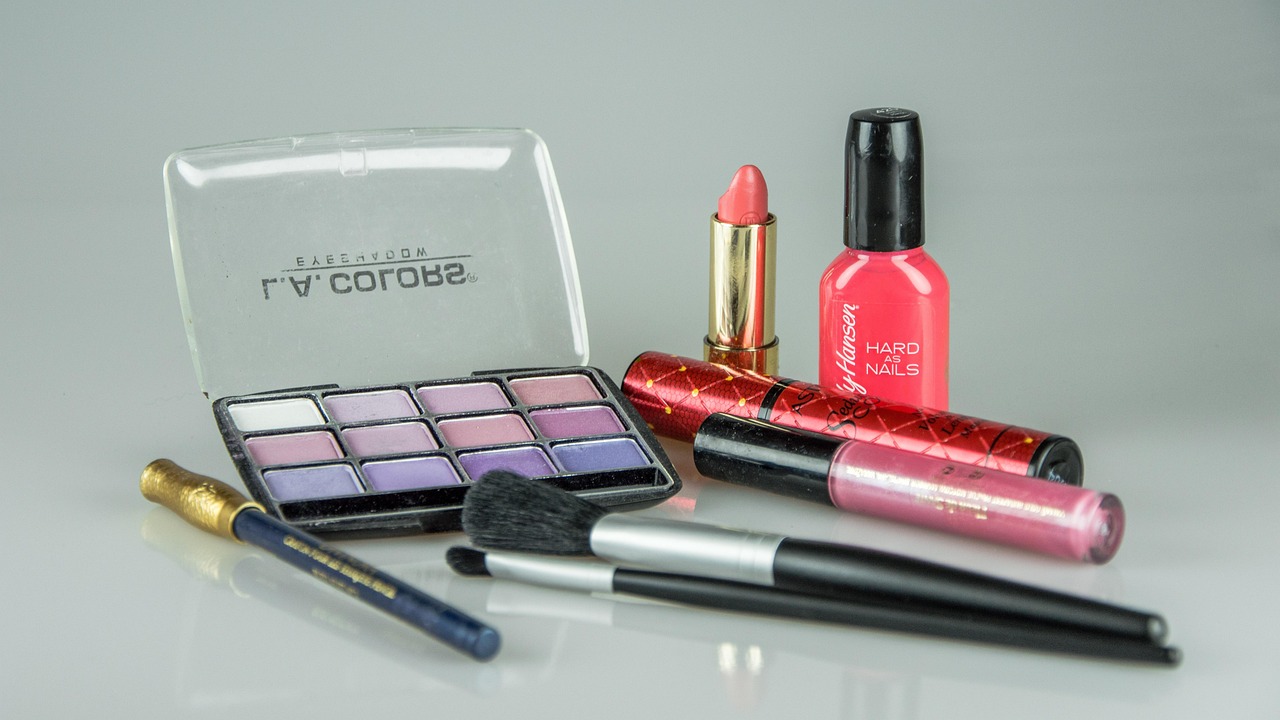
Optimizing product images is a critical component of successful product page optimization tips, playing a pivotal role in enhancing visual appeal, driving engagement, and ultimately boosting conversions. High-quality, well-presented product imagery can serve as a powerful tool to capture the attention of potential buyers, especially in the competitive e-commerce landscape. One effective strategy is to adopt a mobile-first product page approach, ensuring that your images are optimized for various screen sizes and loading speeds, as most customers now access product pages on their smartphones. This involves compressing image files without sacrificing visual quality to reduce page load times.
Where consumers are inundated with choices, niche product page SEO strategies centered around compelling visuals can set your pages apart. Incorporating professional product photography that showcases your items from multiple angles and in real-world contexts can significantly impact how customers perceive your products. Including lifestyle images that demonstrate the product in use can foster a stronger connection with potential buyers, helping to overcome skepticism and build trust. Integrating high-resolution zoom features allows customers to inspect intricate details, enhancing their confidence in their purchase decision.
Beyond traditional photography, professional product video creation offers another avenue to elevate your product pages. Short, engaging videos can provide a dynamic and immersive experience, allowing customers to observe product features in motion. This medium is particularly effective for showcasing complex products or those with unique design elements. When combined with clear and concise copy that highlights key benefits, product videos can significantly increase engagement and conversion rates. Remember, the goal is to create a seamless and enjoyable user experience that aligns with your brand identity while meeting the evolving expectations of today's discerning online shoppers.
Crafting Compelling Product Descriptions

Crafting compelling product descriptions is a critical yet often overlooked aspect of successful e-commerce. On your product pages, you're not just listing features; you're telling a story that persuades customers to make a purchase. In a competitive online market, every word counts.
Focus on clarity and conciseness. Your descriptions should be easy to scan, with key information readily available. Use bullet points to highlight key features and benefits, especially if your product has multiple variations or complex attributes. A high-end kitchen appliance page could list features like "300+ recipes pre-programmed," "fast heating for precise cooking," and "easy-clean stainless steel interior." This format makes it quick for customers to grasp the product's value proposition. Remember, most online shoppers are scanning, not reading, so make every phrase count.
Implementing niche product page SEO strategies is also vital for affordable product page optimization. Incorporate relevant keywords naturally in your descriptions without sacrificing readability. If you're selling eco-friendly cleaning products, include terms like "biodegradable," "non-toxic," and "sustainably sourced." These terms not only optimize your page for search engines but also help customers quickly identify your product's unique selling points. A seamless checkout process is another key component, ensuring the buying journey is frictionless to encourage conversions.
Consider the power of storytelling. Incorporate customer testimonials and success stories to build trust and alleviate buyer skepticism. Including a quote like, "This product has changed how I approach my daily routine, making it more efficient and sustainable," adds social proof and enhances the credibility of your offerings. By combining these product page optimization tips, you can create pages that not only convert but also foster lasting customer relationships.
Leveraging User Reviews to Boost Trust

Leveraging user reviews is a powerful strategy to enhance trust and conversions on product pages. When considering local product page SEO tips, integrating genuine customer feedback can significantly impact your search engine rankings and sales. Potential customers frequently seek out reviews before making a purchasing decision, especially when searching for products "near me." Therefore, showcasing these reviews strategically can persuade visitors and improve your site's credibility.
Start by incorporating a dedicated review section on each product page. Display customer ratings and comments openly, allowing new visitors to gauge the product's quality and value. Ensure the design is visually appealing and easy to navigate, guiding users to read through authentic feedback. A licensed product photography service can help create a professional layout that highlights customer images alongside the product, providing social proof. This combination of visual and textual feedback creates a compelling narrative that influences purchasing choices.
Use review aggregation tools to pull in ratings from various sources, further bolstering your credibility. Displaying trust badges and the number of reviews can reduce skepticism. Remember, the goal is to present a comprehensive, data-driven view of your product's popularity and satisfaction levels. By implementing these product page optimization tips, you not only enhance user experience but also create a powerful marketing tool that drives conversions and fosters customer loyalty.
Personalizing Product Pages for Better Engagement

Personalizing product pages is a powerful strategy to enhance user engagement and ultimately drive conversions. When creating or revamping a product page, small businesses should focus on making the layout as user-friendly as possible. One of the most effective ways to do this is by tailoring the content and design to match the target audience's preferences and pain points. A tech startup catering to millennials might opt for a more minimalist design with bold visuals, while a conservative, traditional business might prefer a classic layout with clear, concise product descriptions.
Cost-effective product page optimization doesn't have to involve a complete redesign. Simple adjustments like rearranging elements, adding customer reviews, or incorporating video content can significantly improve user experience. A/B testing is a valuable tool here; it allows businesses to experiment with different layouts, headlines, or call-to-actions (CTAs) to see what resonates best with their audience. For a small business, this process can be as simple as A/B testing two different product images and measuring which one generates more clicks.
Design trends play a crucial role in keeping product pages fresh and appealing. Voice search, for example, is becoming increasingly prevalent, so optimizing product pages for voice queries is essential. This might involve incorporating natural language keywords into product descriptions and ensuring the page is optimized for speed and mobile devices. User experience (UX) is key; a well-designed product page should guide users through the buyer's journey seamlessly, from initial interest to final purchase. Local SEO strategies can also be integrated into product page optimization, helping small businesses reach their target market more effectively.
The Role of Video in Product Page Optimization Tips

The role of video in product page optimization tips is a powerful strategy gaining significant traction in e-commerce. Integrating video content can dramatically enhance user engagement, a key factor in driving conversions. A well-placed product demonstration video can reduce customer skepticism, especially for niche products where potential buyers might have limited prior exposure. It offers a dynamic alternative to static images, providing a more immersive and persuasive shopping experience.
When optimizing for seamless checkout optimization, video can play a crucial role in guiding users through the purchase process. Short, engaging videos explaining product features or benefits at key touchpoints can improve understanding and reduce cart abandonment. Incorporating product page reviews near me in video format allows customers to visually see how others have used the product, adding a layer of social proof that can significantly influence purchasing decisions. This tactic is particularly effective for unique or specialized products where local customer experiences are valuable.
For niche product pages, niche product page SEO strategies can benefit from video content tailored to specific customer demographics or interests. Video provides an opportunity to showcase product use cases in a way that written content cannot. A video series demonstrating how a product solves common pain points for a particular target audience can significantly improve SEO rankings by attracting and engaging the desired audience segment. This approach not only enhances user experience but also provides valuable data for further refining product page optimization tips.
Using Call-to-Actions to Increase Conversions
The use of effective call-to-actions (CTAs) is a powerful product page optimization tip that can significantly boost conversions for any e-commerce site. CTAs act as direct instructions guiding users to take the desired action, such as "Add to Cart" or "Buy Now. " Strategically placed, they can minimize user hesitation and streamline the checkout process, leading to higher sales.
When optimizing product pages, consider the entire user journey from awareness to purchase. A seamless checkout process is a crucial element in this journey. Simplify the process by reducing the number of steps required to complete a purchase. Each step added increases the chance of a user abandoning their cart. Advanced e-commerce platforms offer dynamic CTAs that adapt based on user behavior, ensuring the right message at the right time. This personalization can enhance user engagement and conversions, especially on niche product pages where SEO strategies are tailored to specific keywords and audiences.
Aligning CTAs with the user's stage in the buyer's journey is essential. For new visitors, educate them about the product's benefits through concise, compelling copy. Then, when they're ready to make a decision, use CTAs to encourage action. A "Learn More" CTA on the product overview page can guide users to detailed product descriptions, and a "Buy Now" CTA on the product details page can seal the deal. This multi-step approach, combined with strategic CTAs, can increase conversions without compromising the user-friendly nature of your product pages.
Data-driven insights are key to refining your CTA strategies. Analyze user behavior to understand which CTAs perform best and optimize accordingly. A/B testing different CTA placements, sizes, and colors can provide valuable data for future layout decisions. By integrating these optimization tips, you can enhance the overall user experience, reduce shopping cart abandonment, and maximize conversions from your product pages.
A/B Testing for Continuous Product Page Improvement

A/B testing is a powerful tool for continuous product page improvement. By comparing two or more versions of a page, you can gather data on which design performs better, leading to a higher conversion rate. This process is crucial for product page optimization tips that cater to both large enterprises and small businesses, helping them stay competitive in their respective markets. A small business selling niche products can use A/B testing to optimize their product pages for a better user experience, ultimately driving more sales.
When testing, focus on key elements such as headlines, call-to-action (CTA) buttons, and product images. These elements significantly impact user engagement and conversion rates. Top-rated product page designers often employ A/B testing to innovate and refine their designs, ensuring each page delivers the best possible customer experience. A designer might test a vibrant, high-resolution product image against a more minimalist version to understand how it affects purchase intent. The data collected can then be used to make informed design decisions that elevate the overall user experience.
Virtual reality (VR) product experiences are another area where A/B testing shines. By allowing users to interact with products in a VR environment, you can gain valuable insights into how potential customers perceive and engage with your products. This strategy has become increasingly important as more businesses explore immersive technologies to enhance their product page design for small businesses. By testing different VR experiences, you can determine which aspects resonate best with your target audience, leading to more effective product page layouts.
Remember, A/B testing is not a one-time event but an ongoing process. Continuously testing and refining your product pages ensures you stay ahead of the curve and meet the evolving needs and preferences of your customers. This data-driven approach to tips can set your business apart, leading to increased conversions and improved customer satisfaction.
Frequently Asked Questions About 10 Product Page Layouts That Convert: A Visual Guide
What is the purpose of optimizing a product page layout?
Optimizing a product page layout is crucial for increasing conversions, which can mean more sales, leads, or sign-ups. Well-designed layouts guide users through the buying journey, presenting key information in a visually appealing and easily digestible manner. This involves strategic placement of product images, descriptions, reviews, and calls-to-action (CTAs).
Which layout styles are most effective for converting visitors into buyers?
While preferences vary, proven layouts include the "F-shaped" pattern, which mirrors natural reading patterns, and the "hero-image-above-fold" design, which creates immediate visual impact. The "step-by-step" and "comparison" layouts are also effective, especially for complex products, as they break down information and highlight key differences.
How does visual hierarchy impact conversion rates?
Visual hierarchy, achieved through typography, color, and spacing, directs users' attention to the most important elements. Bold headlines, contrasting colors, and larger fonts for CTAs draw focus, while white space ensures elements don't appear cluttered. A strong visual hierarchy simplifies complex information and guides users to take desired actions.
What role do high-quality images play in converting visitors?
High-quality images significantly enhance product pages. They build trust by showcasing the product accurately, and for e-commerce, they reduce return rates by letting customers see exactly what they're buying. Images should be optimized for web to ensure fast loading times, and they should tell a story to engage and persuade visitors.
How can I integrate customer reviews effectively?
Integrate customer reviews strategically, placing them prominently yet not obstructing key product details. Social proof is powerful, and reviews build credibility. Include both positive and negative comments to appear authentic, and respond to reviews to show engagement. Platforms like Trustpilot or built-in review sections seamlessly integrate reviews while maintaining a clean layout.
Are there best practices for mobile-first product pages?
Mobile optimization is essential. Prioritize speed and simplicity. Use responsive design to ensure elements adjust gracefully across different screen sizes. Optimize images for mobile viewing, and consider a "mobile-first" layout where content is presented vertically, making it easy to scroll and engage on smaller screens.
Optimizing product pages is a multi-faceted strategy that leverages user behavior insights, compelling design elements, and data-driven personalization to significantly boost conversion rates. Key takeaways include the importance of high-quality product images, persuasive descriptions, and leveraging user reviews to build trust. Personalizing content and integrating video can enhance user engagement, while effective call-to-actions (CTAs) guide visitors towards desired actions. A/B testing plays a crucial role in continuous improvement, allowing for data-backed decisions that adapt to user preferences and market trends. By implementing these proven tips, businesses can significantly improve their online sales performance and create a seamless, engaging shopping experience.
Tips Summary:
Enhance conversions through data-driven personalization, focusing on user behavior and demographics. Leverage visuals, including high-quality images, layouts, and headlines, and A/B test for optimal impact. Integrate trusted online reviews to build credibility and encourage purchases. Optimize for mobile devices, ensuring quick loading times and seamless user engagement.
Personalize content and design based on target audience preferences. A/B test layouts, headlines, and CTAs to improve user experience and conversion rates. Incorporate video content for dynamic product demonstrations and reviews, benefiting niche products. Use data-driven insights to refine CTAs, aligning them with user journey stages for increased conversions.
Employ A/B testing for continuous improvement, testing key elements like headlines, CTAs, and product images. Explore VR experiences for immersive product interactions, gaining insights into customer engagement. Continuously refine product pages based on data to stay competitive, cater to customer needs, and boost conversions.