
In today's competitive market, crafting compelling product reviews is no longer just a nicety-it's a strategic necessity. Product reviews drive customer trust, influence purchasing decisions, and ultimately impact your bottom line. However, with an overwhelming amount of information and a sea of reviews, potential buyers often struggle to discern genuine insights. This article provides a practical guide on how to write product reviews that not only engage readers but also convert them into loyal customers. We'll examine effective strategies, from optimizing your product pages to leveraging social proof, ensuring your reviews stand out in a crowded digital landscape. By the end, you'll be equipped to elevate your marketing efforts and harness the power of authentic customer experiences.
- Understanding Customer Trust: The Power of Reviews
- Crafting Authentic, High-Quality Content for Product Reviews
- Targeting Key Elements: What to Include in Your Reviews
- Balancing Objective Facts and Subjective Sentiment
- Optimizing for SEO: Review Best Practices
- Leveraging User-Generated Content for Product Page Enhancement
- Integrating Reviews into Your Overall Content Strategy
- Analyzing and Responding to Feedback for Continuous Improvement
- Measuring Success: Key Metrics for Product Page Optimization Tips
Understanding Customer Trust: The Power of Reviews

Customer trust is the foundation upon which effective product reviews are built. Buyers are more discerning than ever, and their first port of call for information is online reviews. A well-crafted review can significantly influence purchasing decisions, making it a crucial element in any product page optimization tips strategy.
Reviews offer tangible proof of a product's quality and value, addressing inherent skepticism and providing social proof. They serve as a dialogue between satisfied customers and prospective buyers, fostering trust and encouraging conversions. A data-driven product page personalization approach can leverage positive reviews to create a tailored, engaging experience for each visitor, increasing the likelihood of a sale. Incorporate customer testimonials and ratings prominently on the page to build immediate trust, especially for local product page SEO tips where showcasing community validation can significantly enhance search rankings.
Affordable product page optimization doesn't have to mean sacrificing quality or trust. By encouraging genuine reviews, businesses can create a powerful marketing tool that doesn't require a substantial budget. Authentic feedback from real users adds credibility, creating a competitive advantage. When combined with smart SEO strategies, these reviews can drive organic traffic and improve Google rankings, making them a vital component of any data-driven marketing plan. Ensure reviews are easily accessible and visible to build a strong brand reputation and encourage repeat business.
Crafting Authentic, High-Quality Content for Product Reviews

Crafting authentic, high-quality content for product reviews is a critical component of effective product page optimization tips for marketers. In a world saturated with marketing messages, genuine customer experiences stand out as a powerful form of social proof. The best product page layouts in 2023 prioritize user experience, integrating reviews seamlessly into the overall design.
To create compelling reviews, focus on authenticity. Encourage satisfied customers to share their genuine experiences, highlighting both the product's strengths and areas for improvement. A small business selling eco-friendly cleaning products might feature customer testimonials that emphasize the product's effectiveness alongside its positive environmental impact. This dual approach builds trust and credibility, addressing potential skeptics while engaging loyal customers. Data-driven product page personalization takes this a step further. By analyzing customer behavior and preferences, businesses can tailor review content to individual visitors, enhancing engagement and conversion rates. A retail website could display reviews from similar demographics or users who have interacted with comparable products.
While crafting reviews, maintain a balance between promoting the product and allowing authenticity to shine through. Overly promotional content can raise red flags with customers, leading to decreased trust. Instead, aim for a conversational tone that feels natural and unscripted. Incorporate diverse review formats, such as video content, to cater to different user preferences and further optimize the product page. Remember, the goal is to create a library of reviews that accurately represents the diverse experiences of your customer base, thereby driving more informed purchasing decisions and boosting your product's online visibility.
Targeting Key Elements: What to Include in Your Reviews

When crafting product reviews that convert, the content must be strategic, engaging, and, most importantly, relevant. Targeting key elements ensures that your reviews provide value to potential customers, guiding their purchasing decisions and boosting your conversion rates. To begin, focus on the product itself-its features, benefits, and unique selling points. Describe these in a way that speaks directly to the target audience's needs and addresses any common objections or concerns.
If you're reviewing a pair of running shoes, highlight aspects like comfort, durability, and breathability, especially if these are priorities for your target demographic. Include specific details about how these features enhance performance or comfort, drawing on user experiences where possible. User-generated content, such as customer reviews or testimonials, can add significant weight to your review, providing social proof that drives engagement and trust.
Next, integrate local product page SEO tips to ensure your reviews are discoverable. Optimize meta titles and descriptions, incorporating relevant keywords naturally. This strategy aligns with broader SEO best practices, enhancing your product page's Google ranking and attracting more organic traffic. Remember, the goal is not just to inform but to persuade, so structure your content to guide readers toward the seamless checkout process. Include clear calls-to-action (CTAs) throughout the review, emphasizing the ease and convenience of purchasing.
Advanced optimization involves considering the evolving user experience, especially with affordable product page optimization techniques. Implement design trends that prioritize speed, accessibility, and mobile-first approaches. Voice search is another growing trend, so adapt your content to accommodate voice queries. By incorporating these local product page SEO tips and advanced optimization strategies, your reviews will not only convert but also contribute to a seamless and enjoyable user experience, setting your products up for success in a competitive market.
Balancing Objective Facts and Subjective Sentiment

In crafting product reviews that convert, balancing objective facts and subjective sentiment is crucial. This dual approach leverages the power of both data and human connection. On one hand, hard data, such as product specifications, user ratings, and reviews, provides tangible evidence of a product's value. On the other, emotive language, personal anecdotes, and vivid descriptions tap into the emotional side of purchasing, where trust and connection are forged.
When reviewing a pair of headphones, a balanced approach might include noting the sound quality ("exceeds expectations for its price range, according to multiple tests") while also sharing a personal experience, "The comfort of the padding made me forget I was wearing them after just an hour." This blend of hard facts and subjective sentiment creates a compelling narrative that resonates with readers. In the context of product page optimization tips, this balance is key. It encourages users to engage with the page, trusting the information they find, and ultimately driving conversions.
When facing an emergency product page redesign, this balance is even more critical. A sudden change should not throw off the user experience; instead, integrate new information seamlessly while maintaining the page's emotional appeal. A cost-effective product page optimization strategy leverages this balance to improve conversions without breaking the bank. Reordering content to highlight key features and including more user-generated content can significantly boost conversions at a minimal cost. By focusing on both the logical and emotional aspects, marketers can create product pages that not only inform but also inspire, leading to higher conversion rates.
Data-driven insights play a vital role in achieving this balance. Analyzing user behavior and feedback allows for tailoring the review to what matters most to potential customers. Personalization, based on buyer personas and individual browsing histories, can further enhance this effect. The goal is to create product page conversions that feel organic, guided by data but driven by sentiment. This is the art of product page optimization in the digital age: fusing objective facts and subjective sentiment to create a powerful, persuasive, and ultimately, converting narrative.
Optimizing for SEO: Review Best Practices

Optimizing your product pages for search engine optimization (SEO) is a crucial strategy to drive organic traffic and boost conversions. For product page reviews, implementing the right SEO practices can significantly impact your visibility and credibility in the competitive e-commerce landscape. Here's a deep examine effective SEO strategies tailored for product page reviews, with a focus on enhancing your online presence and engaging your target audience.
Start by understanding that product page optimization tips go beyond basic on-page SEO. For niche product pages, a well-structured review section can be a powerful asset. Encourage customers to leave detailed, authentic reviews, as these are valued by both potential buyers and search engines. Google, for instance, has indicated that user-generated content, including reviews, matters in local SEO, influencing rankings for product page reviews near me queries. So, create an environment that fosters honest feedback. This might involve offering incentives (not in the form of money) for reviews, such as exclusive discounts or early access to new products.
The layout of your product page reviews is essential. In 2023, best practices suggest a clean, visually appealing design. Organize reviews chronologically, with the most recent at the top, to build a sense of freshness and relevance. Incorporate star ratings or other visual review indicators, as they are widely recognized and easily scannable. Ensure your review section is mobile-optimized, as a significant portion of online shopping occurs on smartphones. This simple adjustment can significantly impact user engagement and conversion rates.
Consider incorporating video content alongside written reviews. Video product reviews have gained traction as a preferred method of content consumption, especially for younger demographics. This multi-modal approach to product page optimization tips can enhance user experience and provide a more dynamic representation of the product. When crafting your review strategy, remember to tailor it to your target audience and keep an eye on design trends. Regularly update your review section to reflect current consumer behaviors and preferences, ensuring your product page reviews remain relevant and effective.
Leveraging User-Generated Content for Product Page Enhancement
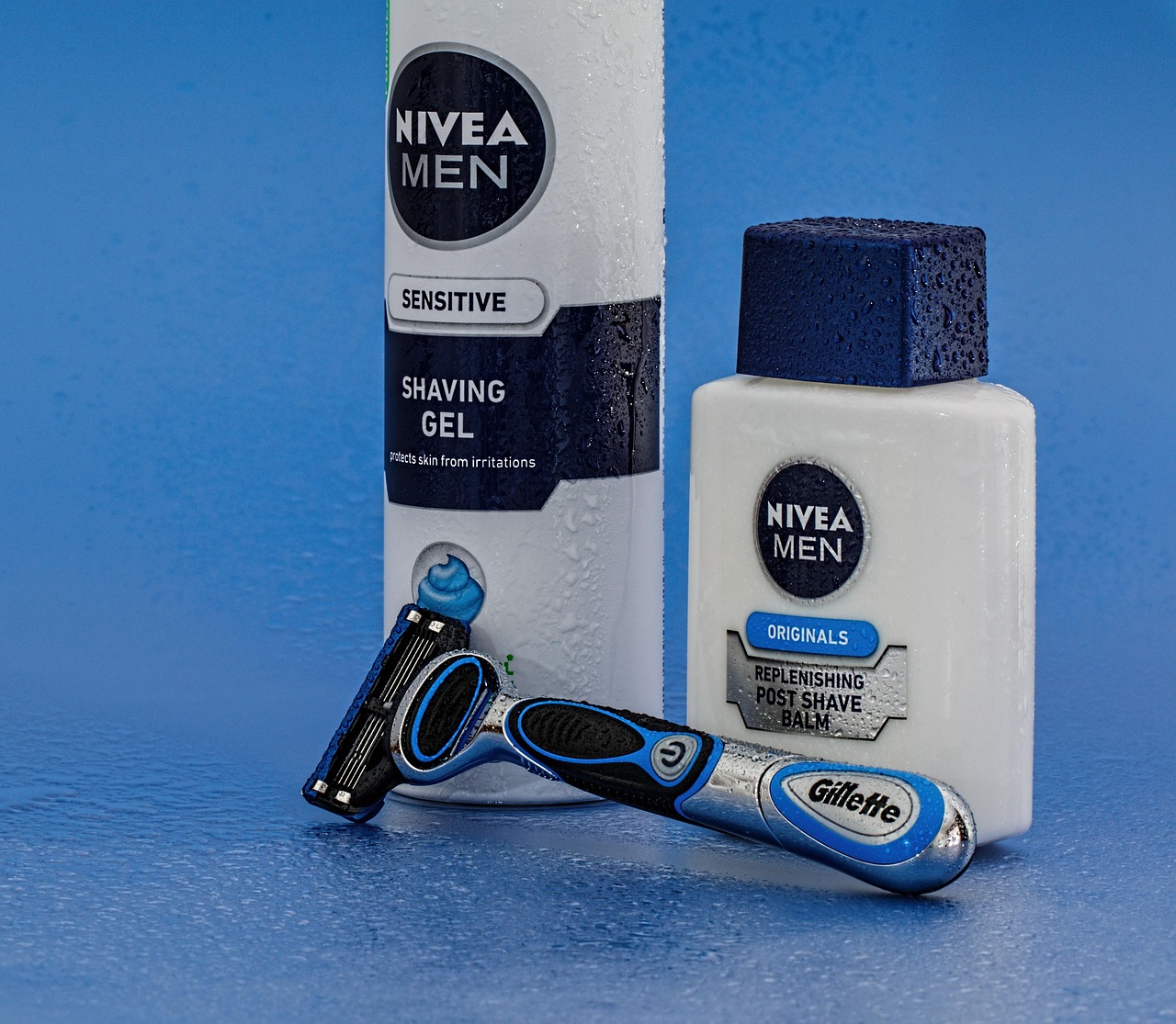
Leveraging user-generated content (UGC) is a powerful strategy to enhance product page optimization tips, especially for small businesses looking to maximize their online presence. When a brand encourages customers to share their experiences, it not only generates authentic social proof but also provides valuable content that can be strategically integrated into the product page design. This approach has proven effective in increasing user engagement and conversion rates.
One of the most immediate benefits of UGC is its ability to offer a diverse range of perspectives on a product, which can be particularly powerful for licensed product photography services. While professional photography is essential for establishing brand identity, customer-generated images offer a more relatable experience. A small home decor store could feature customer photos of products in actual living spaces, providing visual context and inspiration. This strategy can significantly improve the overall user experience, as it allows prospective buyers to envision the product in their own environment, leading to more informed purchasing decisions.
Same-day product page improvement is achievable through UGC. By implementing a rapid response system for customer reviews and images, businesses can update their pages with fresh content, keeping the site dynamic and relevant. This real-time optimization can boost SEO efforts, as Google ranks websites with high user engagement more favorably. A tech startup might showcase customer videos of their product in action, published alongside reviews, to instantly enhance the product page's authority and credibility.
Incorporating UGC into product page design for small businesses should be a strategic, well-curated process. It's not simply about quantity; quality and relevance are key. Brands should aim to create a balanced blend of professional and user-generated content, ensuring a visually appealing and informative page. By implementing these UGC-driven product page optimization tips, marketers can expect improved conversion rates and a stronger online presence.
Integrating Reviews into Your Overall Content Strategy

Integrating customer reviews into your content strategy is a powerful way to enhance tips and drive conversions. Reviews offer social proof, which can significantly influence potential buyers' decisions, especially when coupled with a robust SEO strategy. By strategically placing and crafting these testimonials, you can create a compelling narrative that resonates with your target audience.
Consider a virtual reality product experience where customers can interact with your item online before purchasing. Incorporating reviews within this immersive experience can provide additional context and credibility. Data-driven personalization, tailored to each user's preferences, can further enhance the effect. A simple "Product Page Reviews Near Me" search can also yield valuable insights into local customer experiences, allowing you to adapt and refine your content for better engagement.
The key is to weave these reviews into your content seamlessly. On product pages, reviews should be prominent yet not distracting, ideally displayed near key product features or call-to-action (CTA) buttons. A balanced approach ensures the review section complements the product description and other content, guiding users through the buyer's journey. A well-placed review could reinforce the product's unique selling point, encouraging users to take the next step.
Remember, reviews are a dynamic element of tips. Regularly update them to reflect current customer experiences and engage users with fresh content. This dynamic nature, coupled with data-driven personalization, can significantly improve user engagement and conversion rates. Personalizing product recommendations based on an user's previous reviews can create a tailored shopping experience, increasing the likelihood of a successful sale.
Analyzing and Responding to Feedback for Continuous Improvement

Analyzing and responding to customer feedback is a critical component of any successful product page optimization strategy. By examining the comments, ratings, and reviews left by users, marketers gain invaluable insights into how their target audience perceives their products and the overall purchasing experience. This data-driven approach allows for continuous improvement, ensuring that the product page remains relevant, engaging, and aligned with customer expectations.
A local product page SEO tip involves closely examining reviews for common themes or pain points. If numerous customers mention the lack of detailed product descriptions, this signals a need for more comprehensive content. Incorporating these feedback elements into future content updates can significantly enhance user engagement and conversion rates. Cost-effective product page optimization often centers around leveraging these free, organic sources of information. A professional approach to product video creation can further amplify the impact of customer reviews. Short, well-produced videos that highlight authentic customer experiences can dramatically increase trust and persuade prospective buyers.
When responding to feedback, it's essential to maintain a professional and customer-centric tone. Acknowledging both positive and negative comments shows that the business values user input. A company could reply to a review mentioning a recent delivery delay by expressing regret, providing an update on improvements, and offering a small incentive for the customer's patience. This not only addresses the issue directly but also fosters a sense of community and loyalty. By implementing these strategies, marketers can transform a simple review into a powerful tool for product page optimization, ultimately driving more conversions.
Measuring Success: Key Metrics for Product Page Optimization Tips

Measuring the success of your product reviews is a critical step in optimizing your product pages for conversions. This involves tracking key metrics that reflect both the quantity and quality of user interactions. A high number of reviews can indicate strong customer engagement, but it's also important to analyze the sentiment behind those reviews. Positive sentiment, as gauged through sentiment analysis tools, suggests satisfied customers, while negative or mixed reviews can point towards areas for improvement.
User-friendly product pages, crafted with a focus on clear design and intuitive navigation, are essential for capturing user interest and encouraging reviews. Professional product video creation can significantly enhance user experience, showcasing product features and benefits in a visually compelling way. For small businesses, optimizing product pages for both desktop and mobile users is crucial, as it ensures accessibility and a seamless shopping experience across all devices.
Incorporating data-driven insights into your review strategy allows you to personalize content based on buyer personas and user behavior. If data shows that your target audience tends to read longer reviews, ensure you provide detailed, informative content. Conversely, if voice search is on the rise, optimize your product pages for voice queries, using natural language and common user phrases. By aligning your product page design for small businesses with these trends, you can increase the likelihood of capturing user-generated content and driving conversions.
The ultimate goal is to foster a sense of customer trust and confidence, which can be achieved through a combination of genuine reviews, informative content, and a user-friendly interface. Remember, the most valuable tips are those that not only drive traffic but also encourage meaningful interactions and conversions.
Frequently Asked Questions About How to Write Product Reviews That Convert: A Guide for Marketers
What is the purpose of writing product reviews, especially for conversion rates?
Product reviews are powerful tools for marketers. They provide social proof, building trust with potential customers and influencing their buying decisions. A well-written review showcases the benefits and features of a product, addressing potential concerns and encouraging conversions.
How do I know what to include in a product review?
Focus on the key aspects that matter to your target audience: features, performance, ease of use, value for money, and customer service. Provide specific examples from your experience to illustrate these points. Include both pros and cons for authenticity, balancing your perspective with others'.
What makes a product review convert-focused?
A conversion-focused review goes beyond simple description. It connects the product benefits to the reader's needs. Highlight how the product solved a problem or improved a situation. Use a compelling, conversational tone that speaks directly to the reader's aspirations. Include a clear call-to-action, guiding readers towards the desired next step (e.g., "Shop now" or "Learn more").
How long should a product review be?
Keep reviews concise and engaging. Aim for 200-300 words, hitting the key points effectively. Most readers scan, so ensure important details stand out.
Should I disclose if I'm a professional reviewer or have a relationship with the brand?
Absolutely. Transparency is crucial. Disclose any financial or professional connections in the review. This builds credibility by being upfront about potential biases and allows readers to interpret the review with full awareness.
What should I do if I receive a negative review?
Respond to negative reviews professionally and respectfully. Thank the reviewer for their feedback and address their concerns directly. Offer solutions or a dialogue to resolve the issue. This shows customer service and can sometimes turn a negative experience into a positive one.
As marketers, understanding the power of product reviews is crucial for converting potential customers and building customer trust. This article has guided us through the process of creating high-quality, authentic reviews that enhance user experience and drive engagement. From balancing objective facts and sentiment to leveraging SEO best practices, we now possess the tools to optimize our product pages effectively.
The key lies in integrating reviews seamlessly into our content strategy while analyzing and responding to feedback to foster continuous improvement. By measuring success through key metrics, we can fine-tune our tips to maximize conversions. Implementing these strategies ensures our marketing efforts align with the evolving needs and preferences of our audience, ultimately elevating our brand's online presence.
Summary:
Customer trust and authentic reviews are cornerstones of effective tips. Online shoppers rely on reviews to make purchases, making them a powerful marketing tool. Businesses can leverage genuine customer experiences, integrated seamlessly into product pages, to drive conversions and outrank competitors.
Key strategies include:
- Encouraging genuine reviews and showcasing community validation for local SEO.
- Using data-driven personalization to tailor review content to individual visitors.
- Incorporating diverse review formats, like videos, to enhance user engagement.
- Balancing promotional content with authentic, conversational reviews.
- Analyzing user feedback to improve products and pages continuously.
- Creating dynamic, fresh content to boost engagement and conversion rates.
- Measuring review metrics to gauge sentiment, engagement, and potential for conversions.
By prioritizing these tips, businesses can maximize the impact of customer reviews, improve online visibility, and drive sales.